
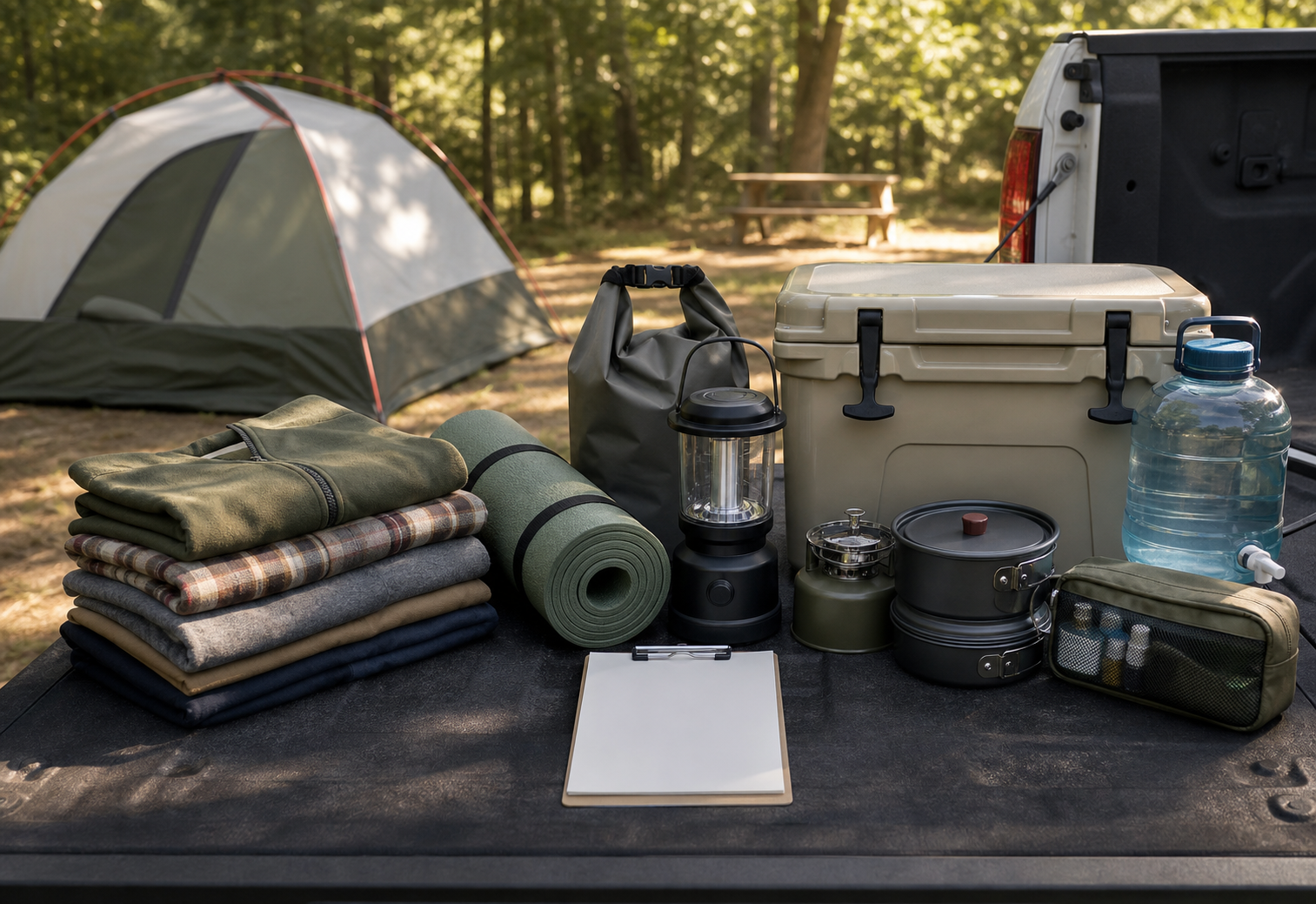
Weekend packing plan
Weekend Camping Checklist: Pack for the Trip You Are Actually Taking
A good weekend checklist should make leaving easier, not make your garage look like an outdoor store. Use this as a flexible plan for a short campground trip.
Quick take
- Check campground rules and weather before packing.
- Pack shelter and sleep first, then food, water, light, and safety.
- Add comfort items only when they fit the actual trip.
A good camping checklist should do two things at once: remind you of the easy-to-forget items and help you avoid packing a car full of gear you will never touch. This version is built for a short campground trip where you can drive to the site, sleep near the vehicle, and keep the plan simple.
Use it like a packing pass. Work through the big systems first, then add the small comfort pieces that match your weather, campground rules, group size, and meal plan.
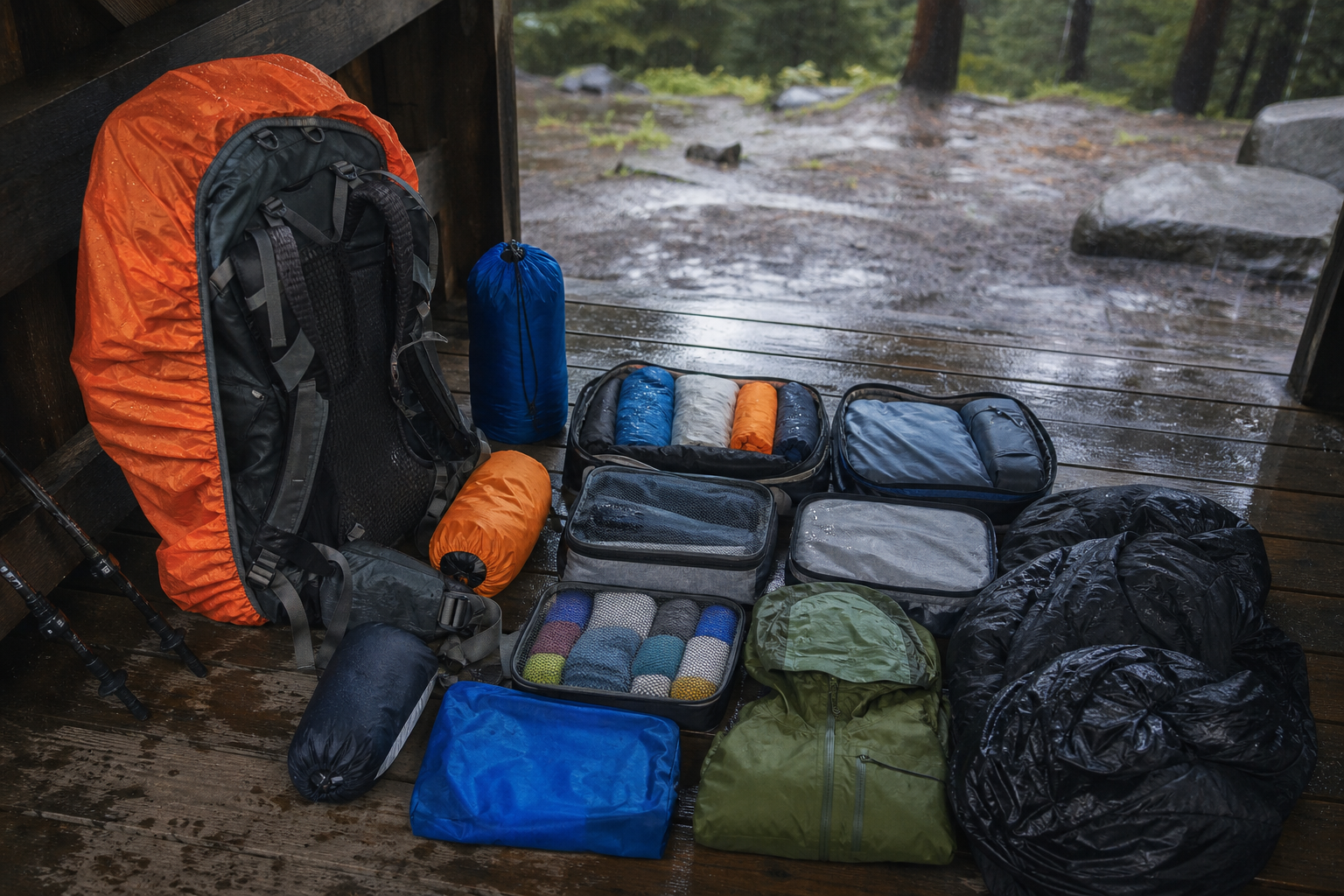
Trip check
Before You Pack
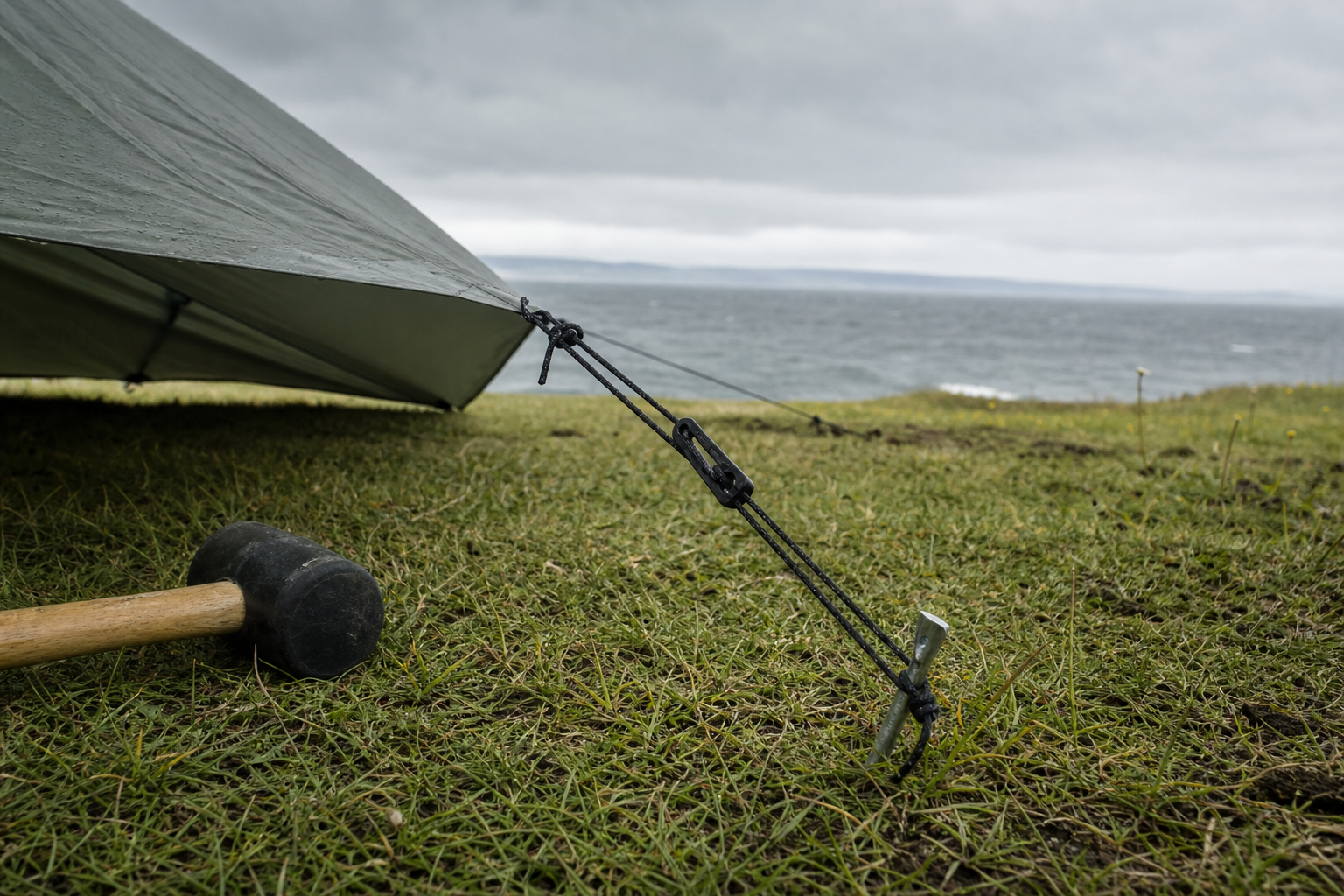
Start with the details that change the list. A campground with potable water, picnic tables, and flush toilets needs a different packing plan than a primitive site. A dry 75-degree weekend is different from a windy spring night that drops into the 40s.
Trip details to confirm
Reservation
Weather
Water
Food storage
Fire rules
Offline info
First in the car
Shelter and Sleep
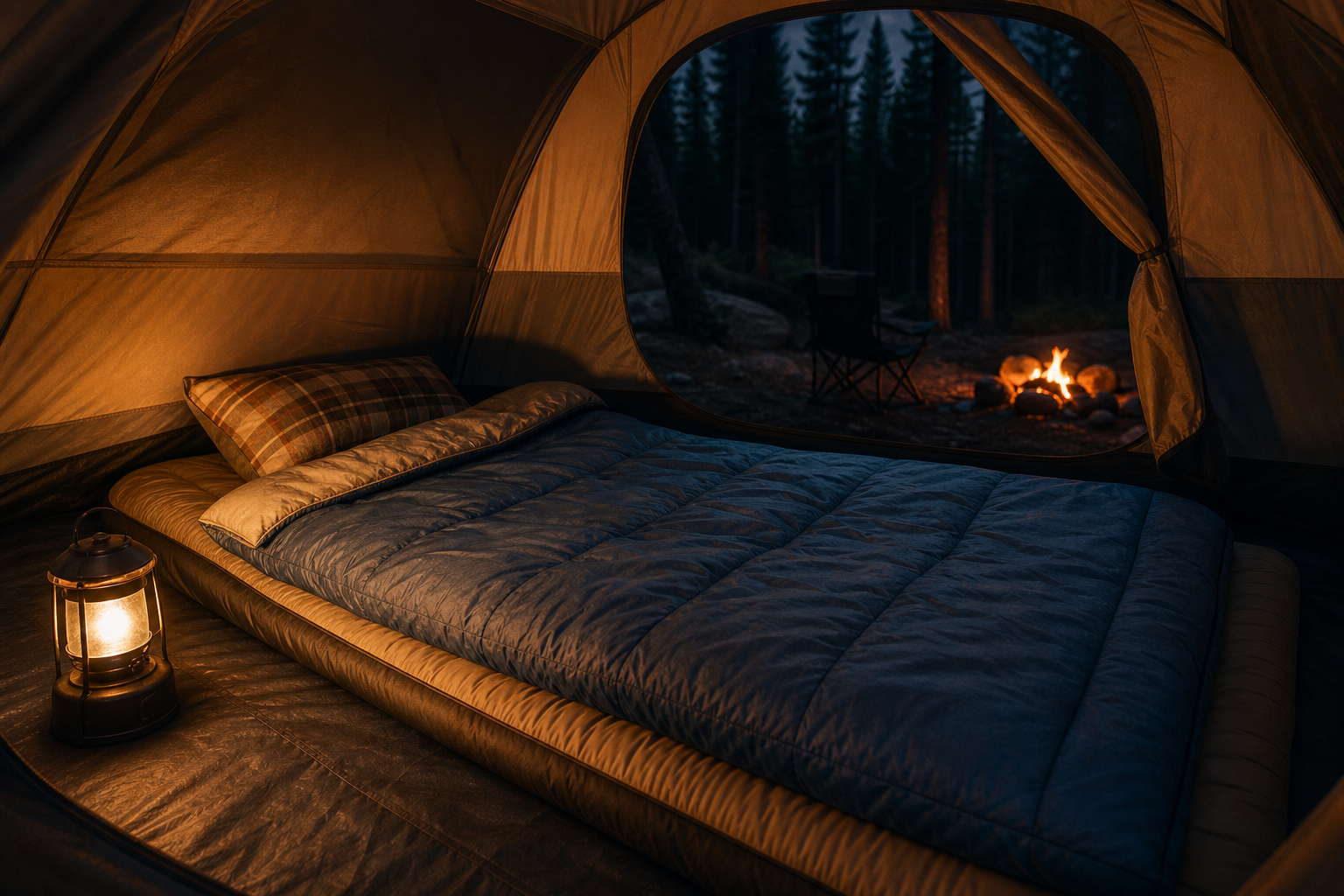
Pack shelter and sleep gear first. If this part works, the trip usually feels manageable even when dinner is basic or the fire never happens. If this part fails, every other comfort item matters less.
Shelter and sleep essentials
For a weekend campground trip, choose comfort and weather protection before packed size.
Tent
Sleep insulation
Sleeping pad
Pillow
Dry sleep clothes
Still building this part of the kit? Start with our tent guide and sleeping bag guide.
Meals and water
Food, Water, and Camp Kitchen
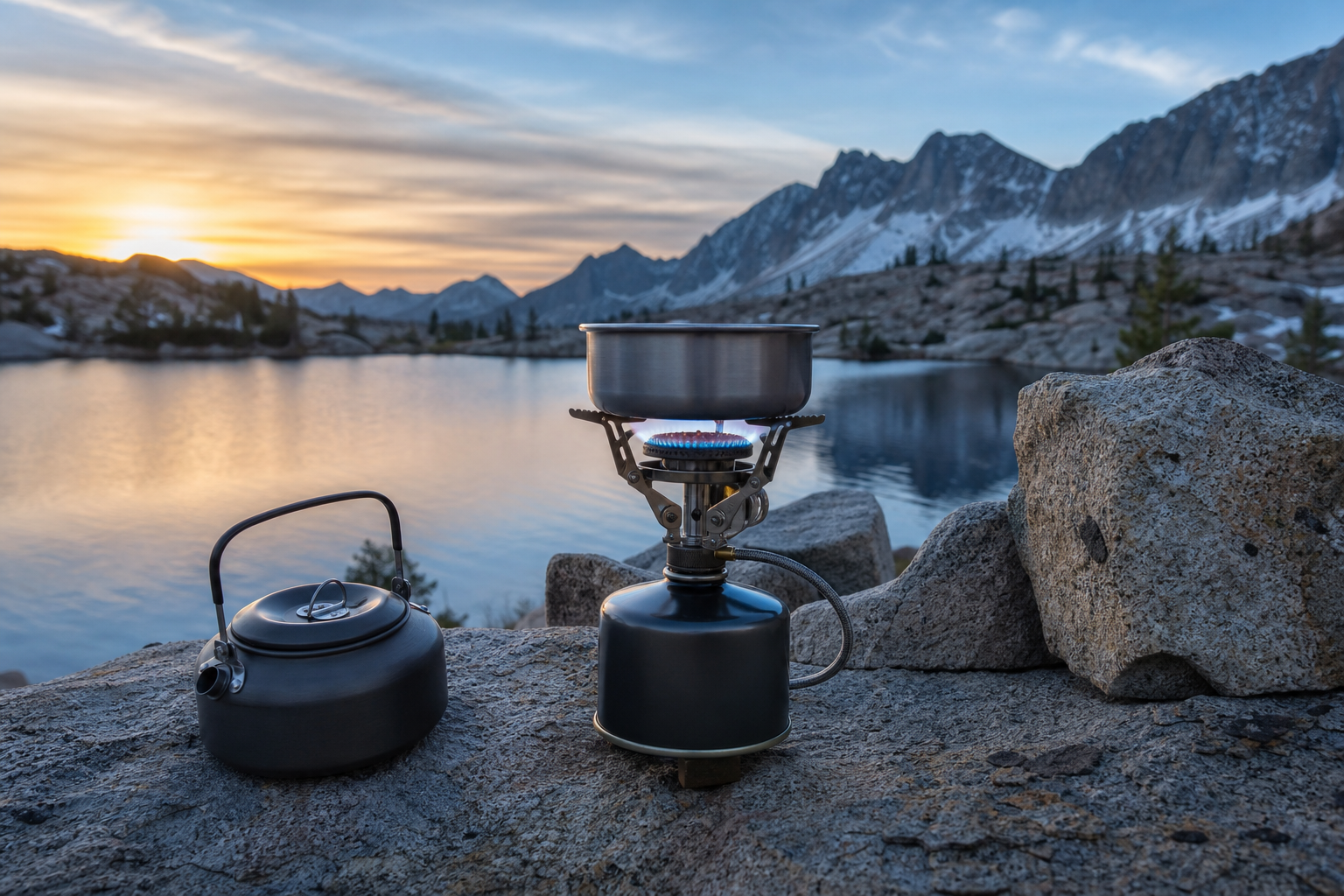
Plan the food before packing the kitchen. A simple menu tells you whether you need a two-burner stove, one pot, a cooler, a cutting board, or just coffee gear and no-cook meals.
Kitchen and food checklist
Water
Cooler
Food bin
Stove and fuel
Cookware
Cleanup
For the first few trips, one-pan dinners, pre-made breakfast, and reliable snacks beat elaborate camp cooking. Browse camp cooking gear when you are ready to refine the setup.
Personal kit
Clothing and Personal Care
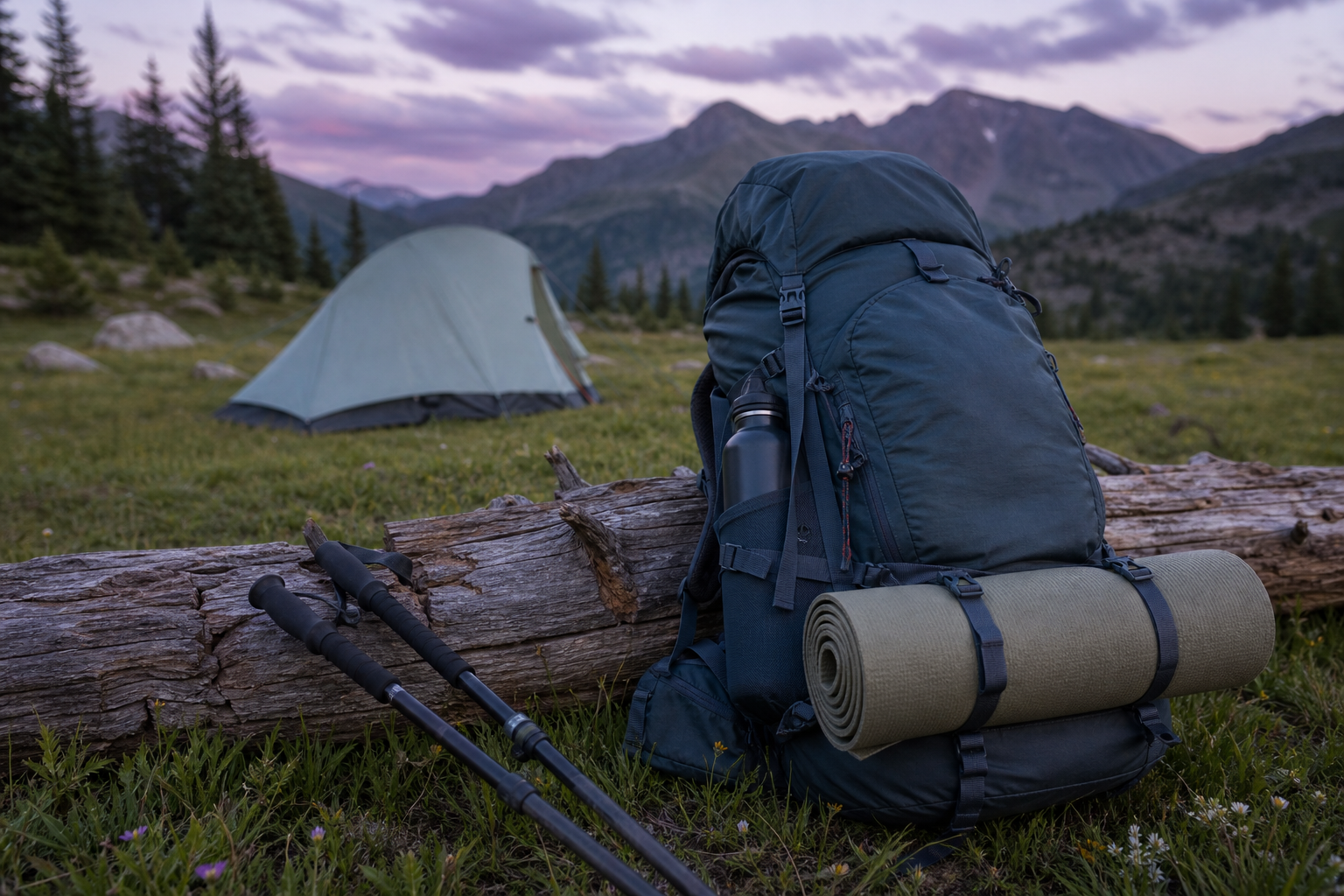
Pack for the full day, not just the nicest hour of the forecast. Campsites cool down, shoes get wet, and dry sleep clothes make a bigger difference than most people expect.
Wear during the day
Keep dry for sleep
Weather protection
Personal care
After dark and backup
Lighting, Safety, and Repair
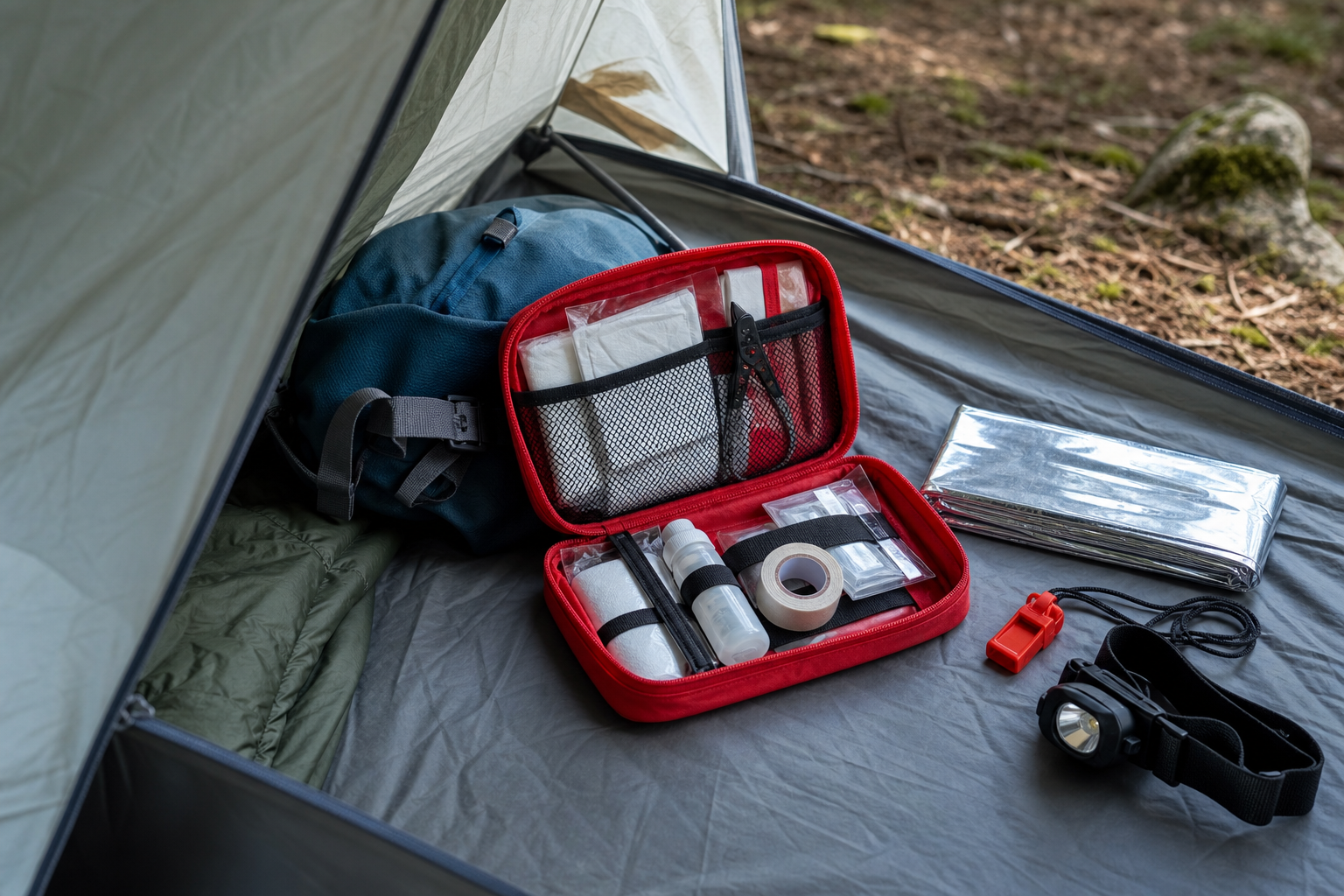
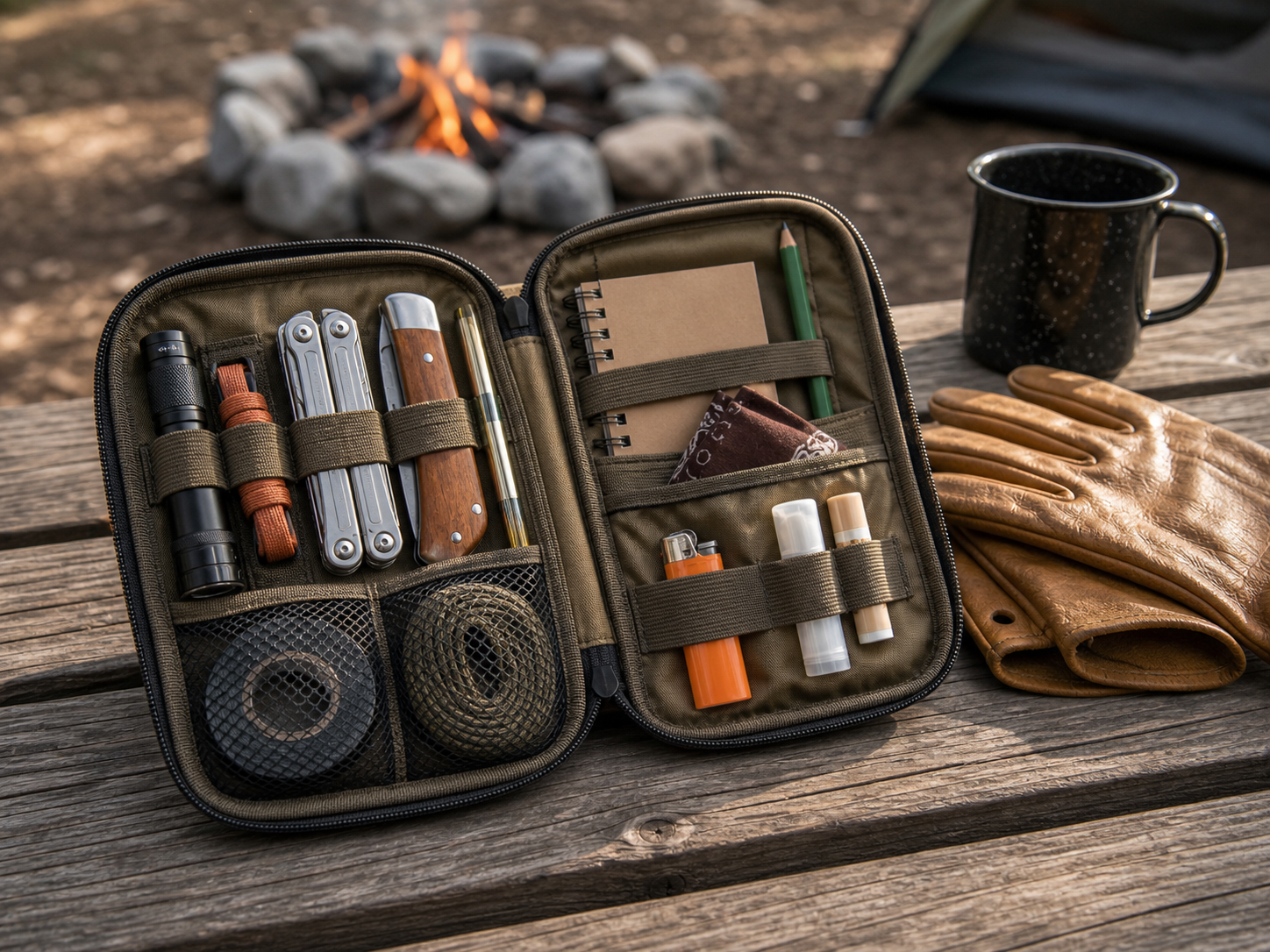
This is the category you want to pack once and keep together. Check batteries, restock the first aid kit, and keep the small repair items where you can find them after dark.
Small gear that prevents big annoyances
Headlamps
Lantern
Power
First aid
Repair pouch
For practical support items, review lights and camp tools.
Useful extras
Comfort and Camp Life
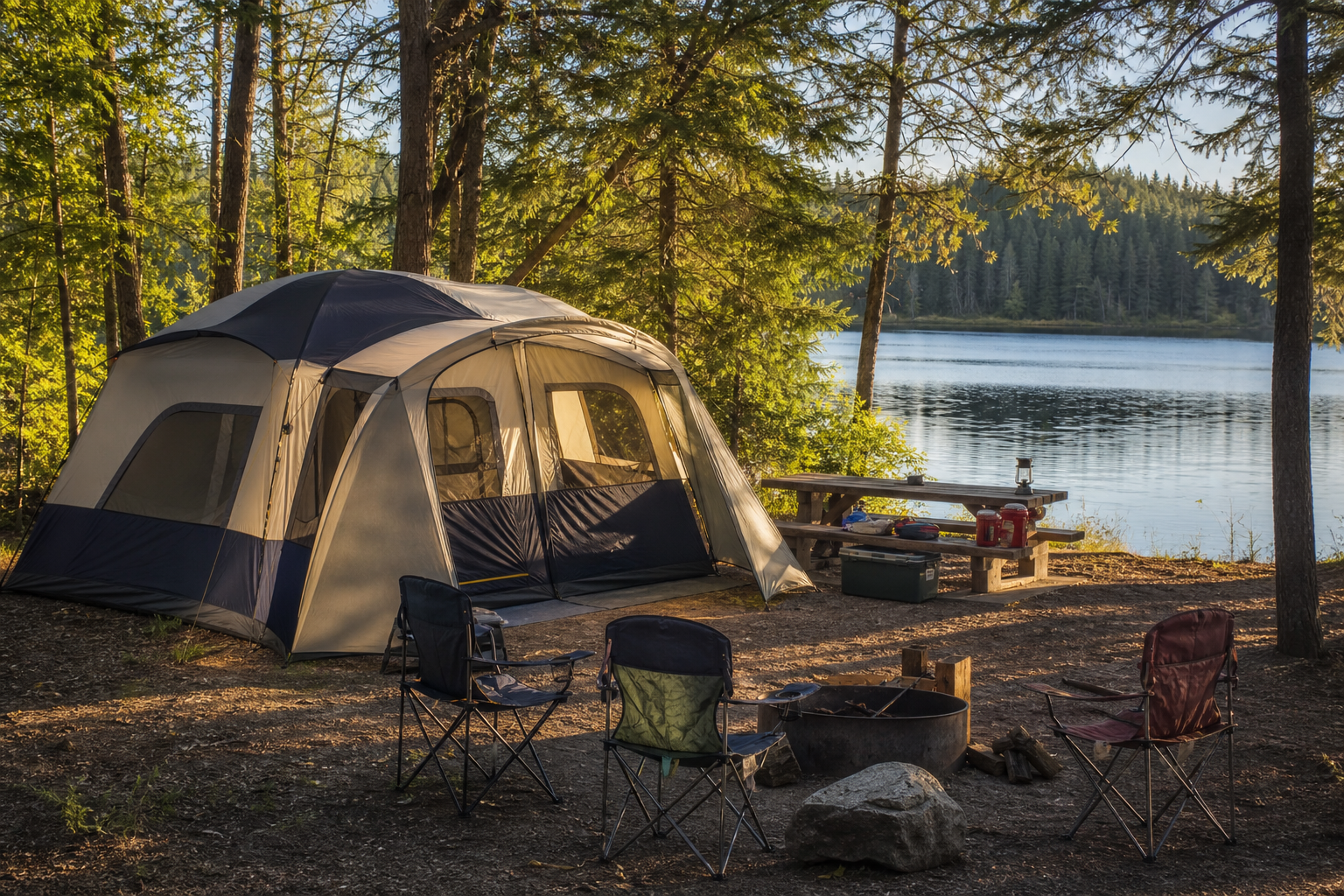
Comfort items are worth bringing when they make the campsite easier to live in. They are also the easiest place to overpack, so choose based on your actual site and plans.
Optional items worth considering
Camp chairs
Shade or tarp
Camp blanket
Activities
Storage bins
Last check
Final Packing Pass
Before the car is loaded
Set up a new tent once, confirm poles and stakes, charge lights and power banks, and make sure fuel matches the stove. Put first-night items, rain gear, lights, and food where they are easy to reach. The first hour at camp is smoother when you are not unpacking everything to find one headlamp.
The point is not to bring everything. The point is to bring the pieces that make your specific weekend easier: shelter that handles the weather, sleep gear that keeps you warm, food you can actually cook, enough water, reliable light, and a small plan for things that break or get messy.