Camp Gear Advisor
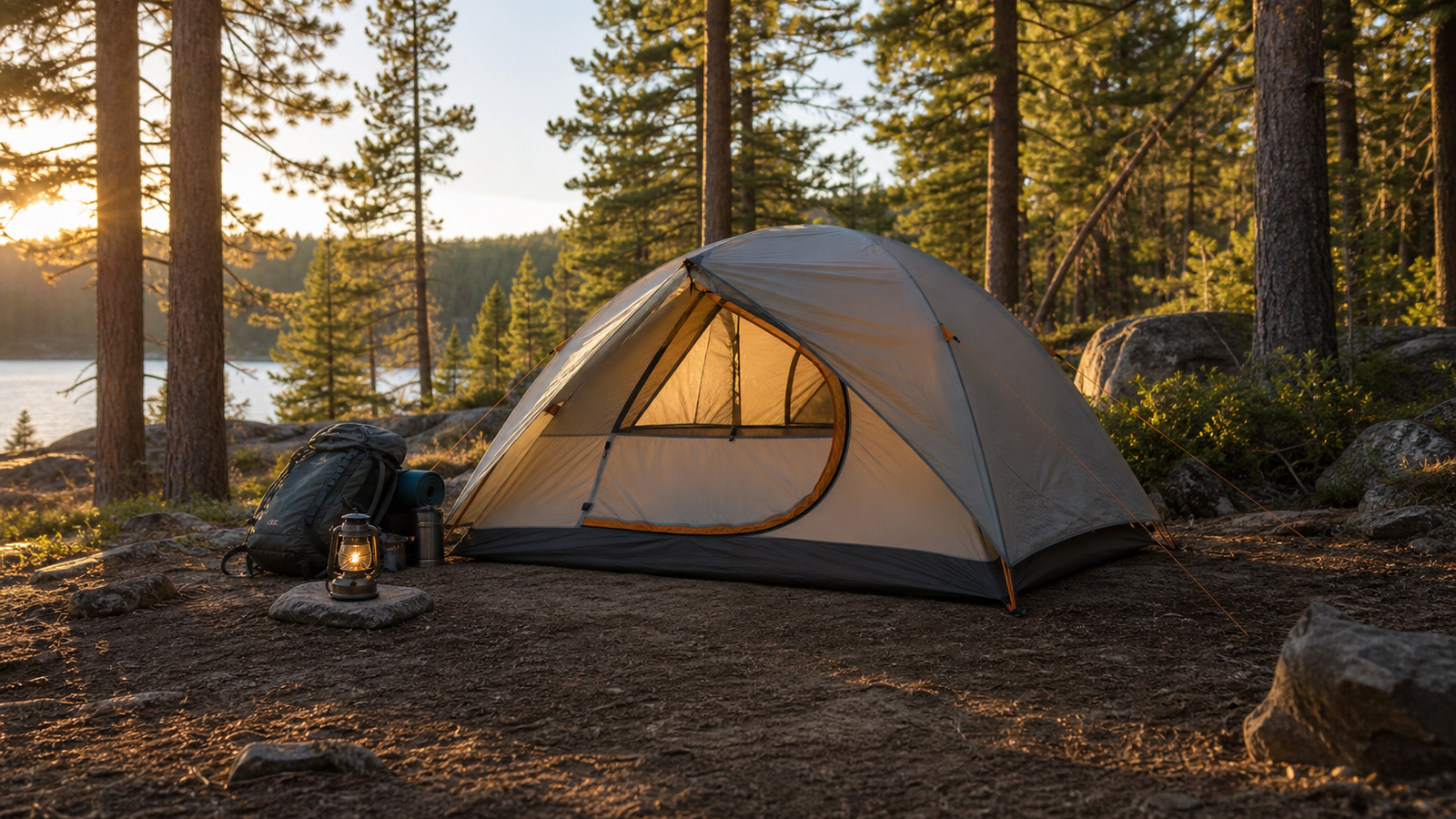
Camping tent in a wooded campsite
Back to gear hub

Tents

Tents can be hard to sort through when you are new because almost every one sounds like it can handle anything. The right choice usually comes down to how you camp, how much room you want, and how much setup you are willing to deal with. This page gives you a practical starting point before you start comparing products, so you can understand what tent features are worth paying attention to without getting buried in options.

As an Amazon Associate, Camp Gear Advisor may earn from qualifying purchases. Prices and availability can change, so check the product page for current details before buying.

Beginner Car Camping Tents

Roomy starter tents for campground trips where comfort matters more than packed size.
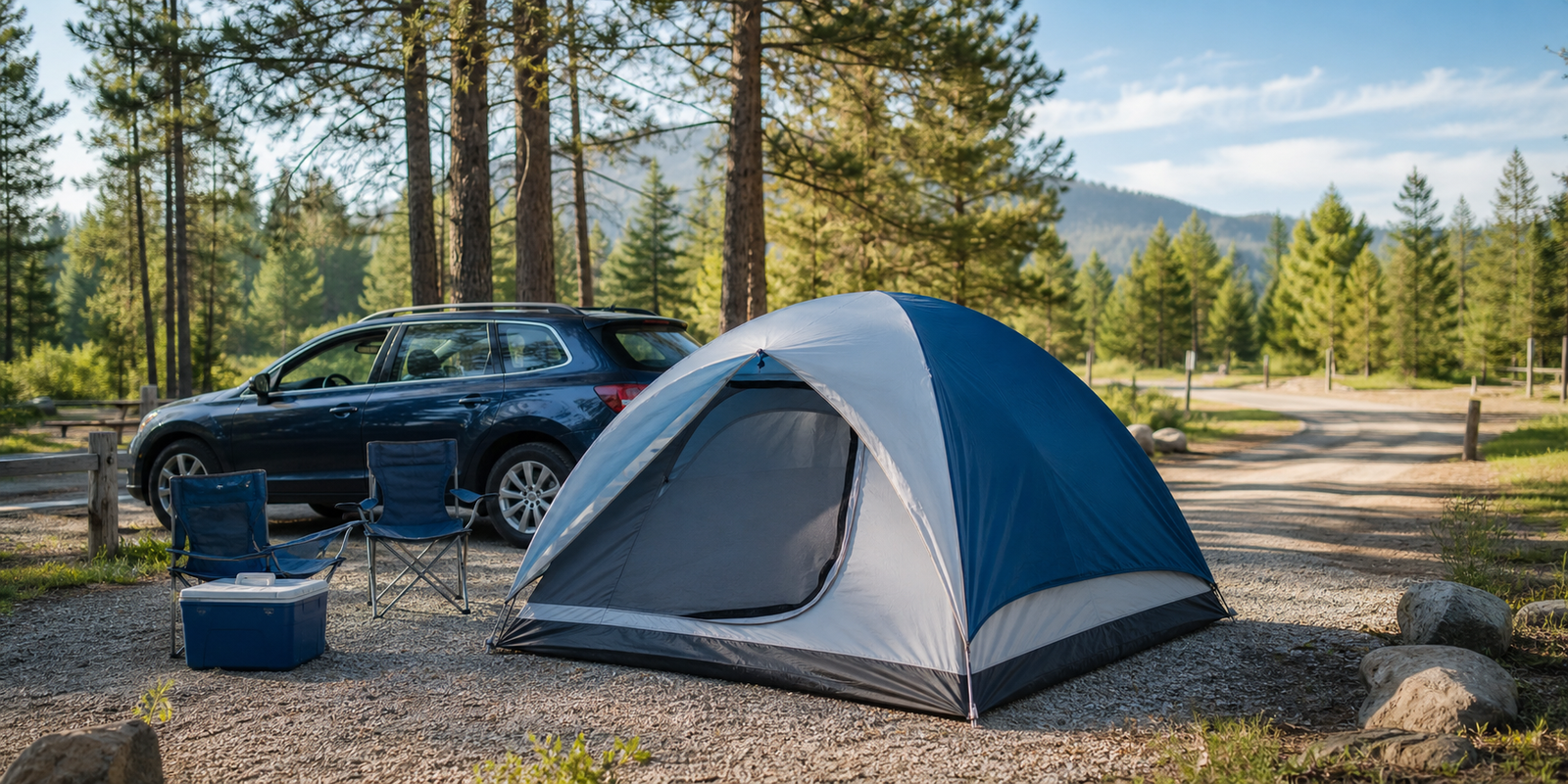
Freestanding blue dome tent pitched beside a car at a green campground

For most new campers, a car camping tent is the easiest place to start. You are not carrying it far, so comfort matters more than shaving every ounce. Look for a 3-season tent with enough floor space to sleep without feeling packed in, a rainfly that gives real coverage, and a shape that is simple to pitch at a normal campground.

Tent capacity usually runs tighter than people expect. A 4-person tent often means four sleeping pads side by side, not four people plus bags, shoes, a dog, and room to change clothes. If you are camping near the car, sizing up by one or two people can make the whole trip feel more relaxed.

This section is about practical starter shelters: tents that are roomy enough to live in for a weekend, simple enough to set up, and weather-ready enough for normal spring, summer, and fall trips.

Below are a few beginner-friendly tent searches focused on roomy, practical shelters for campground trips.

1Coleman Sundome 4-Person TentA sensible first tent for campers who want to try campground weekends without buying into premium shelter prices. The Sundome works best for fair-weather trips, backyard practice nights, and simple state-park stays where easy setup matters more than storm performance. Size up if you want room for bags, shoes, or a dog.
Pros
  • Low cost for a first tent
  • Simple dome pitch
  • Easy to find in the Coleman product family
Cons
  • Basic weather protection
  • Tight for four people plus gear
  • Not built for sustained storms
2Marmot Tungsten 4P TentThis is the more comfortable step up from basic starter domes. The Tungsten makes sense for couples or small families who want better livability, more useful entry points, and stronger weather coverage without jumping into huge cabin tents. It costs more, but the extra usability matters when rain, gear storage, or repeat trips enter the picture.
Pros
  • Roomier shape than many starter domes
  • Two doors and vestibules help with gear
  • Full rainfly improves normal weather protection
Cons
  • Costs more than basic tents
  • Still a car-camping packed size
  • Lower ceiling than cabin tents
3Mountain Hardwear Mineral King 3 TentA good crossover pick for two campers who want room, airflow, and a nicer tent experience than a bargain dome. The Mineral King is especially appealing when you want visibility, ventilation, and a clean freestanding setup. It is not the cheapest beginner option, but it fits campers who already know they will keep going out.
Pros
  • Excellent mesh-heavy ventilation
  • Freestanding design is easy to place
  • Good comfort for two people plus gear
Cons
  • Three-person capacity is tight for three adults
  • Lower peak height than family tents
  • Premium price for beginners

Easy Setup Tents

Tents with simpler pole systems, quicker setup, and fewer surprises for first trips.

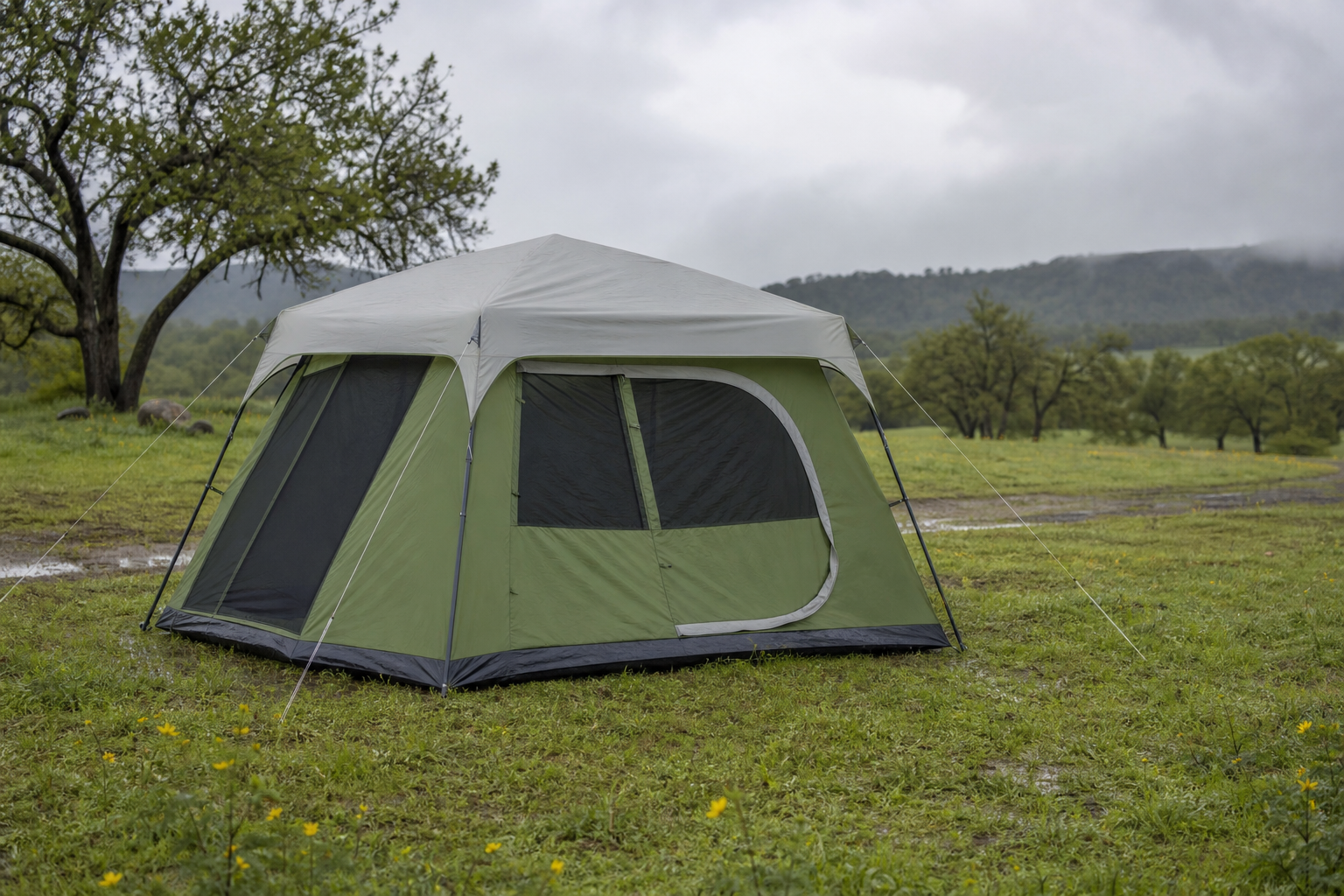
Green instant cabin tent pitched on wet grass after rain

The best first tent is one you can set up without turning camp arrival into a puzzle. Freestanding dome tents, color-coded poles, clip-style bodies, and instant designs can all make setup easier for someone who has not pitched many tents before.

Instant tents can be especially nice for car camping, though they usually pack larger and weigh more than standard pole tents. That tradeoff may be fine if your main goal is getting camp set up quickly and keeping the first trip low-stress.

Whatever style you choose, practice once at home before the trip. You will learn where the poles go, how the rainfly attaches, and whether you need extra stakes or a footprint before you are tired, hungry, or racing the weather.

Below are a few tent styles aimed at quick setup, simple pole systems, and fewer first-trip headaches.

1Gazelle T4 Hub TentThe T4 is for car campers who care more about fast setup and standing room than packed size. It is bulky, but that tradeoff is reasonable if you are arriving at camp after work, setting up with kids, or just want fewer tent-pole puzzles. This is a comfort-first shelter for repeat campground use.
Pros
  • Very quick setup once learned
  • Tall and roomy inside
  • Durable fabric suits repeat car camping
Cons
  • Long bulky packed size
  • Heavy for one person to carry far
  • Costs more than basic instant tents
2CORE 6-Person Instant Cabin TentA practical quick-setup family tent for normal campground weekends. The cabin shape gives people room to stand, change, and organize gear, which is often more important than technical specs for new campers. It is not the tent to choose for exposed wind, but for easy arrival and livable space, it fits the job well.
Pros
  • Instant frame reduces setup stress
  • Tall cabin shape improves comfort
  • Good size for car-camping families
Cons
  • Bulky and heavy
  • Large footprint needs room
  • Cabin shape is not ideal for high wind
3Coleman Skydome 6-Person Full-Fly Vestibule TentThis Coleman pick sits between cheap starter domes and pricier family tents. The appeal is the quicker pitch and better coverage than the most basic fair-weather shelters. It is still a campground tent, so expectations should stay realistic, but it gives newer campers a more forgiving setup with useful covered space.
Pros
  • Pre-attached pole design speeds setup
  • Fuller fly adds useful coverage
  • Accessible price for a six-person tent
Cons
  • Public proof is thinner than premium picks
  • Plastic parts need care
  • Best for campground use

Backpacking Tents

Lighter tents for campers who need shelter that fits inside a pack.

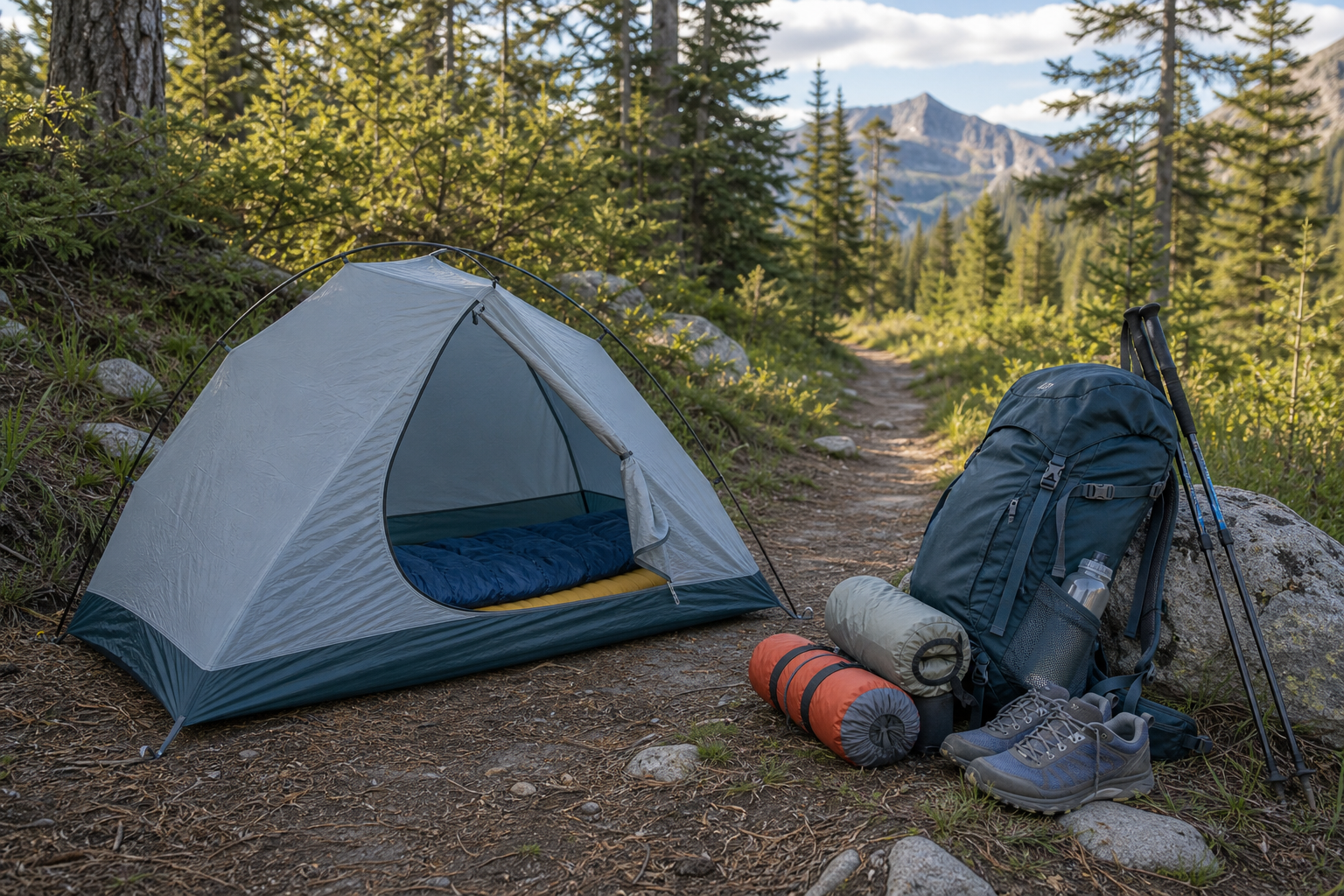
Small backpacking tent pitched on alpine rock at sunrise

Backpacking tents are built for a different job than campground tents. They need to pack small, weigh less, and still protect you from normal 3-season weather. For beginners, a 2-person backpacking tent is often the most flexible choice because it works for one person who wants space or two people who are comfortable keeping gear tight.

Pay attention to trail weight, packed size, number of doors, vestibule space, and how the tent sets up. Ultralight tents can be excellent, but they may cost more and sometimes feel more delicate. A slightly heavier tent that pitches easily can be a better first backpacking shelter.

This section is for campers who plan to carry their shelter instead of leaving it in the car. If most of your trips are campground weekends, you may not need to start here.

Below are a few backpacking tent options for campers who want lighter shelters without jumping straight into specialty ultralight gear.

1Kelty Late Start 2 TentA friendly first backpacking tent for people who want a real trail shelter without getting pulled into ultralight pricing. The Late Start is heavier and simpler than premium tents, but that simplicity is part of the appeal. It works best for newer backpackers who value an easy pitch and dependable basics over shaving every ounce.
Pros
  • Simple freestanding pitch
  • More affordable than premium backpacking tents
  • Good first backpacking shelter
Cons
  • Heavier than ultralight tents
  • Less vestibule space than premium options
  • Not as refined for long trips
2Big Agnes Copper Spur HV UL1 Bikepack TentThis is a premium lightweight shelter, but it should be framed carefully because it is the solo bikepack version. It fits a camper who wants high-end materials, compact carry, and one-person shelter space. It is less ideal for beginners expecting a roomy two-person backpacking tent or a general campsite shelter.
Pros
  • Lightweight premium shelter
  • Copper Spur family livability
  • Verified Amazon direct product link
Cons
  • One-person capacity
  • Bikepack variant differs from the standard UL2
  • Premium price
3NEMO Dagger OSMO 2P TentThe Dagger OSMO is a comfort-leaning backpacking tent for campers who want trail-friendly weight without feeling cramped. It is especially useful for two people who care about vestibule space, easier entry, and room to manage gear. The price is premium, but the livability makes sense if backpacking will be more than a one-time experiment.
Pros
  • Roomier than many lightweight tents
  • Large vestibules improve gear storage
  • Good balance of comfort and weight
Cons
  • Premium price
  • Not the lightest two-person option
  • May be more tent than solo hikers need

Family and Group Tents

Larger tents for families, groups, extra gear, and more livable campground space.

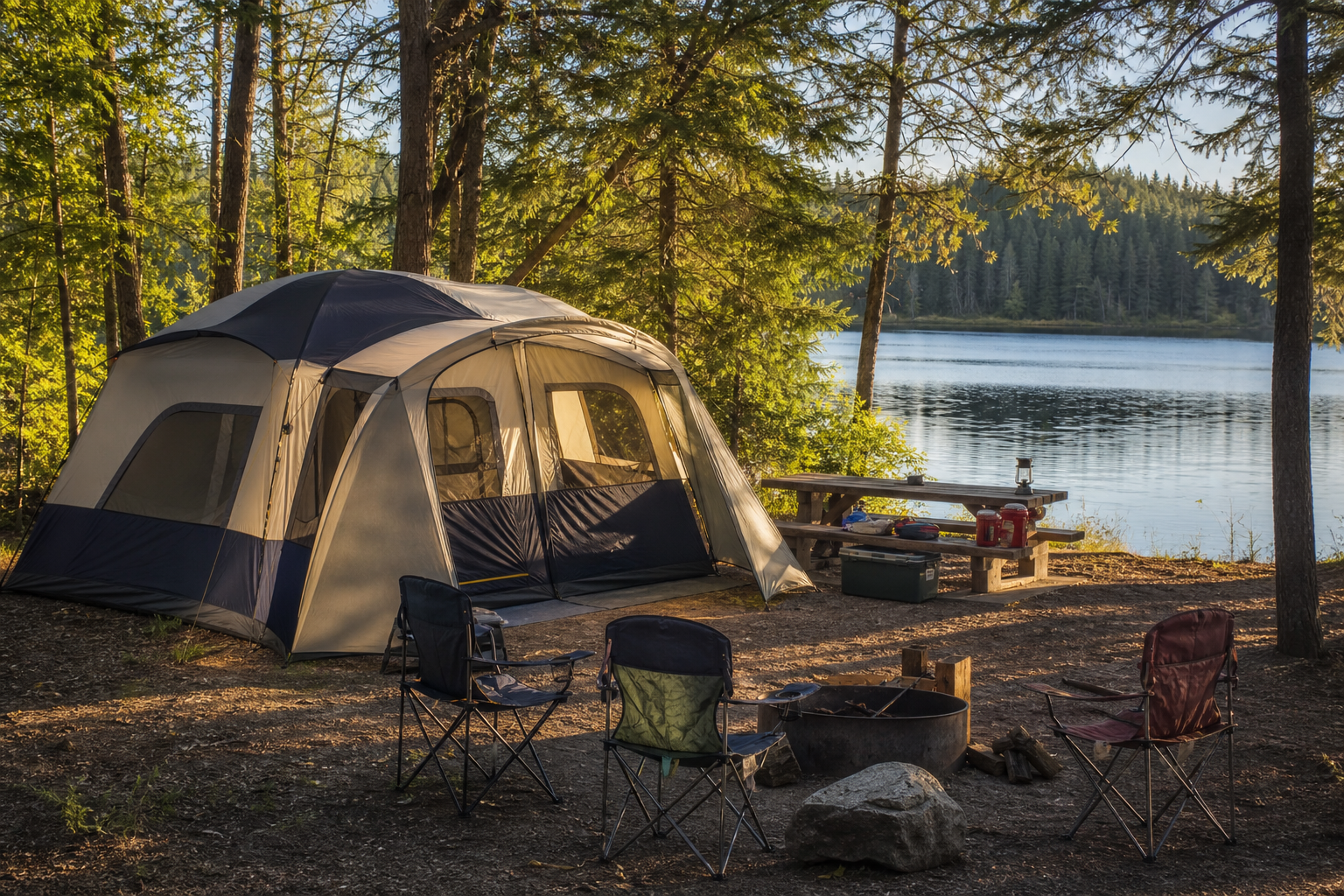
Large family camping tent with chairs beside a wooded lake campsite

Family tents should make camp life easier, not just technically fit everyone. Look for enough sleeping space, decent peak height, large doors, and good ventilation. Tall cabin tents feel comfortable for changing clothes and organizing gear, while lower dome tents usually handle wind better.

For families, it is smart to think beyond the number on the box. Kids, sleeping pads, duffels, shoes, and rainy-day clutter all take room. A 6-person or 8-person tent can be a good fit for a family that technically could squeeze into something smaller.

The tradeoff is size. Bigger tents can be heavier, take longer to pitch, and need more campsite space. They make the most sense when comfort and room matter more than carrying distance.

Below are a few family and group tent styles that prioritize livable space, easier entry, and campground comfort.

1The North Face Wawona 6 TentThe Wawona is a strong family car-camping pick when covered gear space matters. The big vestibule helps keep shoes, chairs, bins, and rainy-day clutter out of the sleeping area. It takes more practice and campsite room than a simple dome, but for longer weekends or gear-heavy families, the livability is the reason to consider it.
Pros
  • Excellent vestibule and covered storage
  • Tall livable interior
  • Strong fit for family car camping
Cons
  • Large footprint
  • Setup takes practice
  • Premium price
2Coleman WeatherMaster 6-Person Tent with Screen RoomA budget-friendly family tent for campers who want extra hangout space without paying premium shelter prices. The screen room is great for bugs, shoes, and relaxed warm-weather evenings, but it should not be treated like a full storm vestibule. This is best for fair-to-normal campground use where comfort and price matter most.
Pros
  • Screen room adds bug-protected space
  • Affordable for the size
  • Tall enough for easier camp life
Cons
  • Screen room is not a true weatherproof vestibule
  • Heavy and bulky
  • Budget waterproofing needs realistic expectations
3Marmot Halo 6P TentThe Halo 6P is a premium family shelter for campers who want a sturdier, more livable tent than budget cabin options. It fits families who camp repeatedly and care about airflow, interior shape, and better materials. It is expensive and still large to handle, but the corrected CTA now points to the tent rather than the footprint.
Pros
  • Roomy family-friendly interior
  • Good ventilation
  • More durable than many budget family tents
Cons
  • Expensive
  • Availability can fluctuate
  • Still large and heavy

Tent Accessories and Setup

Footprints, stakes, guylines, tarps, and setup basics that help a tent work better.

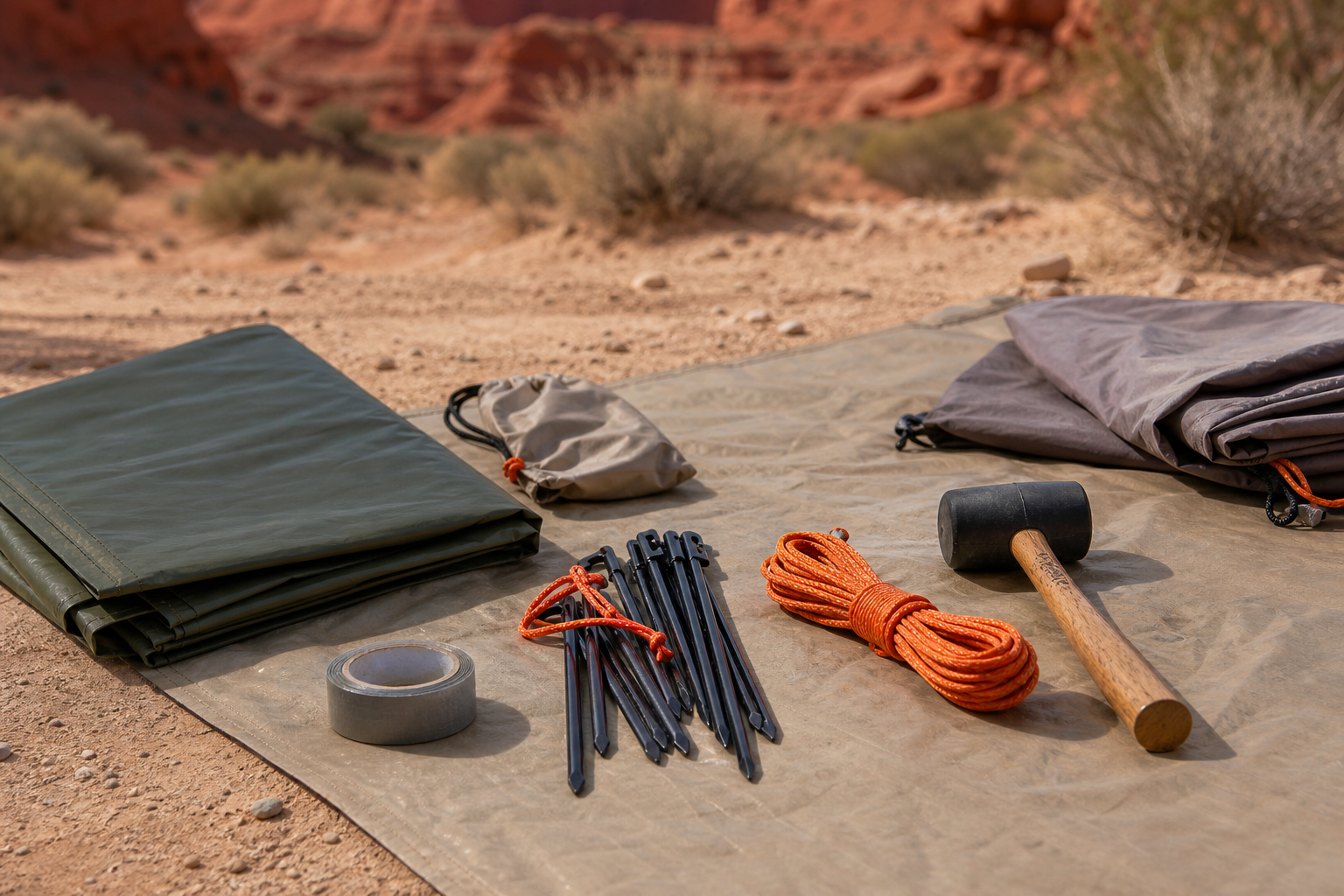
Tent stakes, cord, mallet, and setup accessories arranged on desert ground

A few small add-ons can make a basic tent work better. A footprint or properly sized ground tarp helps protect the tent floor from abrasion, but it should not stick out beyond the tent body or it can collect rain underneath you.

Extra stakes, guylines, a small mallet, and a simple repair kit can save a trip from becoming annoying. The stakes that come with a tent are often basic, and different ground conditions may need something stronger.

Setup matters too. Choose level ground, avoid low spots where water can collect, look up for dead branches, and use established tent pads or durable surfaces when available. A good tent site is usually simple: flat, safe, legal, and set up before dark.

Below are a few setup and accessory items that can help protect, secure, and repair a tent at camp.

1Gear Aid Tenacious Tape Repair TapeTenacious Tape is the small repair item that can save a tent weekend from getting annoying. It works best for quick patches on clean, dry fabric: tent walls, tarps, pads, packs, rain gear, and other soft goods. It is not a structural fix, but it can stop a little tear from turning into a much bigger problem.
Pros
  • Small enough for a repair pouch
  • Useful across many fabric gear problems
  • Fast no-sew field repair
Cons
  • Surface needs to be clean and dry when possible
  • Not a fix for major structural damage
  • Color matching can be imperfect
2Gear Aid Seam Grip WP Field Repair KitSeam Grip is for the repairs that need more patience than tape. It is useful for leaky seams, small holes, and waterproof fabric fixes where you want the repair to last beyond the afternoon. The catch is cure time and mess, so this is a better calm-repair item than a quick storm rescue.
Pros
  • Handles seam and waterproofing repairs
  • More permanent than tape alone
  • Useful for tents and rain gear
Cons
  • Needs cure time
  • Can be messy if over-applied
  • Not ideal for rushed wet repairs
3Wise Owl Outfitters Tent Stakes Heavy Duty 16 PackThese stakes are a practical upgrade when the thin stock stakes bend, disappear, or pull out in normal campground soil. A 16-pack gives enough for a tent, extra guylines, and a few spares, which matters more than people expect. They are not sand or snow anchors, but they make a basic tent setup feel less flimsy.
Pros
  • Strong aluminum Y-beam shape
  • Good upgrade over basic included stakes
  • Better value as a 16-pack
Cons
  • Not best for deep sand or snow
  • More stakes than some campers need
  • Still easy to misplace at teardown
4Orange Screw Ultimate Ground Anchor Small 4-PackOrange Screws are for campsites where normal stakes do not hold well: softer ground, loose soil, shade shelters, tarp corners, or higher-pull tie-outs. They take more effort and space than basic stakes, so they are not an everyday replacement. When the ground is right, though, the extra hold is the reason to bring them.
Pros
  • Strong hold in soft ground
  • Useful for tarps and shade shelters
  • Bright color is easier to spot
Cons
  • Bulkier than normal stakes
  • Overkill for firm tent pads
  • Takes longer to set than simple stakes