Camp Gear Advisor
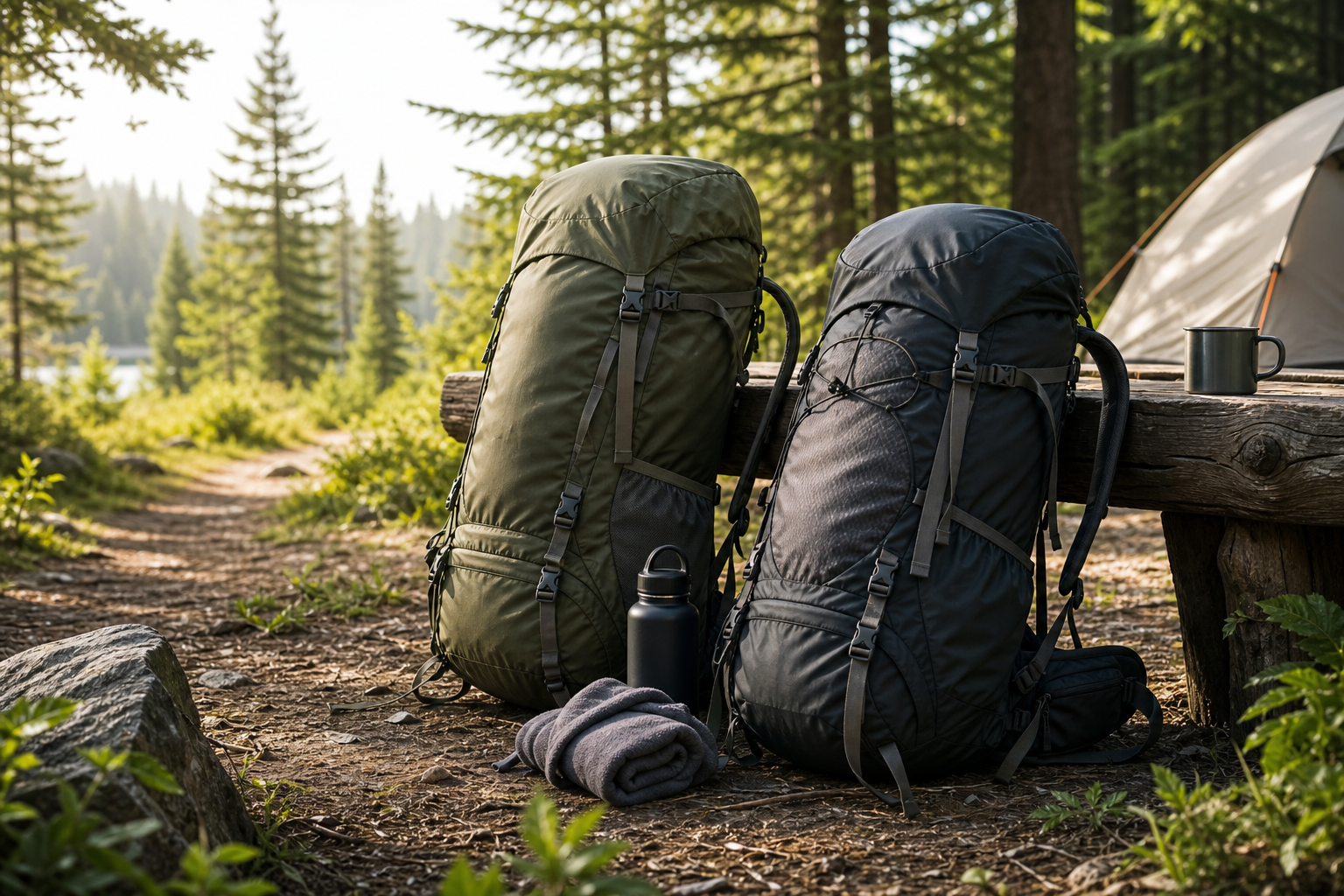
Backpack resting near a campsite trail
Back to gear hub

Backpacks

Backpacks are not always the first thing new campers think about, but the wrong one can make even a short outing feel harder than it should. This page is a practical place to start if you are trying to figure out what size, style, and features are worth paying attention to. The product sections may change over time, but the goal stays the same: helping you find a pack that fits the trip without overcomplicating it.

As an Amazon Associate, Camp Gear Advisor may earn from qualifying purchases. Prices and availability can change, so check the product page for current details before buying.

Daypacks

Smaller packs for short hikes, water layers, snacks, and trail basics.
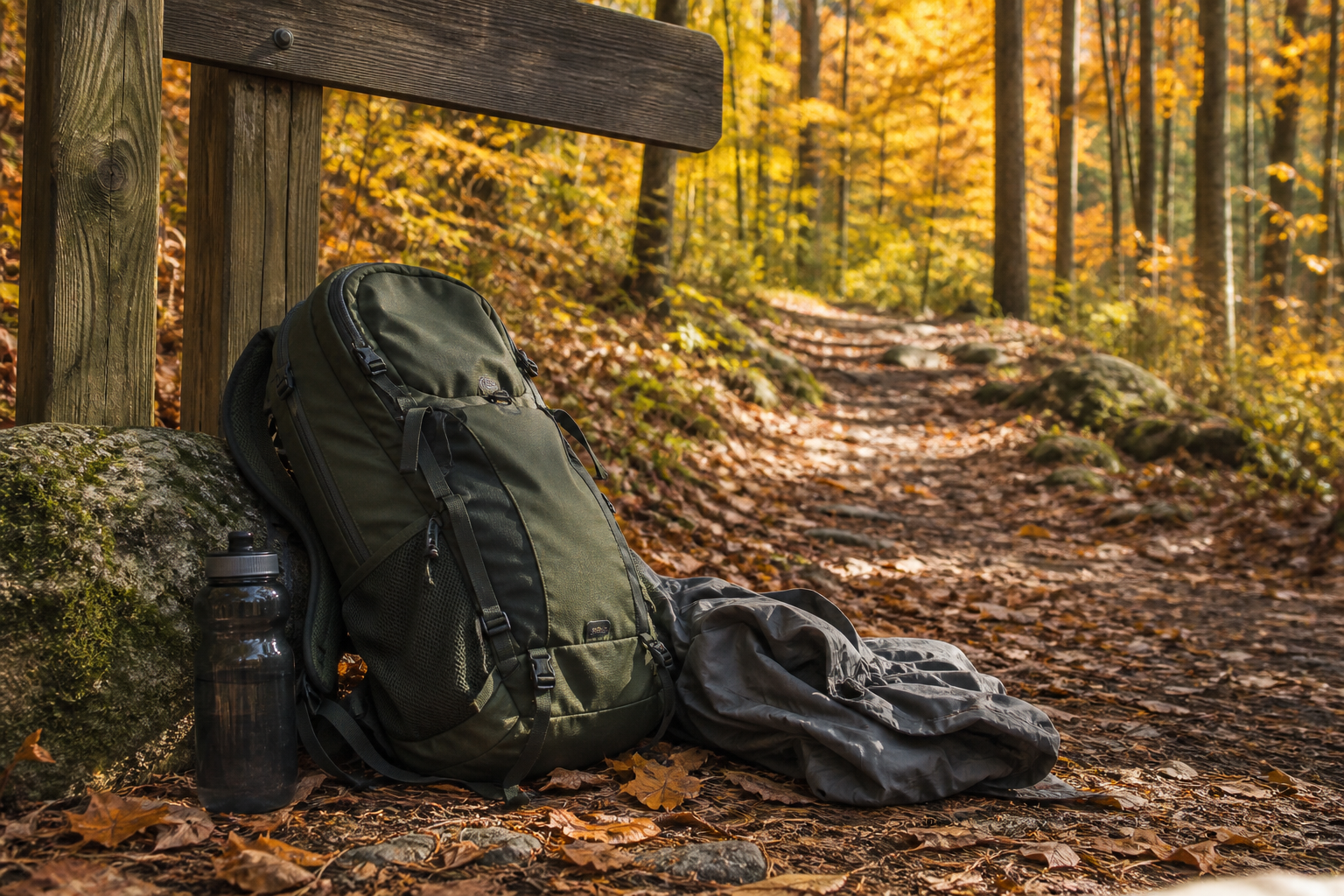
Daypack resting near an autumn forest trailhead with hiking layers nearby

A daypack is the easiest backpack category to understand because it is not trying to carry your whole campsite. It is for the things you want close during the day: water, snacks, a rain layer, sunscreen, a small first aid kit, and maybe a headlamp if you might be out later than planned.

For a new camper, this is usually the pack that gets used the most. You might use it for a short trail near the campground, a walk to the lake, or just keeping personal items together while the bigger gear stays at camp. You do not need a huge frame or a complicated suspension system here. Comfort, simple pockets, and enough space for the basics matter more.

The mistake is buying a pack that is either too tiny to be useful or so large that it turns into a junk drawer on your back. A good daypack should feel easy to grab, easy to carry, and simple enough that you actually use it.

Below are a few daypack-style options and accessories that can make short hikes and campsite exploring easier.

1Osprey Daylite Plus DaypackThis is the kind of pack that gets used on more than just the planned hike. It works for a campground walk, a lake run, a travel day, or keeping a rain layer and snacks together while the bigger gear stays in the tent or car. It is not a load-hauler, but for normal camp days the simple organization is the point.
Pros
  • Useful day-hike and travel size
  • Simple pocket layout
  • Strong all-around campground companion
Cons
  • Limited load support
  • Not a technical backpacking pack
  • Seller options can rotate
2Osprey Talon 22 Men's Hiking BackpackThe Talon 22 is for campers who have outgrown the little “throw your keys and water bottle in it” daypack. The hipbelt and hiking-focused fit matter when you are carrying more water, layers, food, and small safety items from camp. It costs more, but the comfort difference shows up on longer trail days.
Pros
  • Better carry support than casual daypacks
  • Good active hiking fit
  • Useful for longer day hikes
Cons
  • Pricier than simple daypacks
  • More pack than casual campground walks need
  • Fit matters
3Osprey Hikelite 18L Lightweight Hiking BackpackThis is a clean, uncomplicated trail pack for campers who want ventilation and a little weather backup without turning a short hike into a gear project. The Hikelite 18 has enough room for the basics and the included rain cover is useful when forecasts are not perfectly honest. It is best for lighter loads, not overnight gear.
Pros
  • Ventilated back panel
  • Included rain cover
  • Approachable day-hike capacity
Cons
  • Light organization
  • Minimal hipbelt support
  • Not for heavy loads
4Sea to Summit Ultra-Sil Day Pack 20LThink of this as the spare bag you are glad you brought. It disappears into a larger pack or camp bin, then comes out for shower runs, short walks, summit detours, or keeping a few personal items together. It has almost no structure, so keep the load soft and light, but that tiny packed size is the whole appeal.
Pros
  • Extremely packable
  • Useful spare camp or summit bag
  • Light enough to keep in a larger pack
Cons
  • No structure
  • Poor for heavy or sharp loads
  • Less comfortable than framed daypacks
Overnight and Weekend Packs

Packs sized for sleeping gear, clothing, food, and the basics for one or two nights.

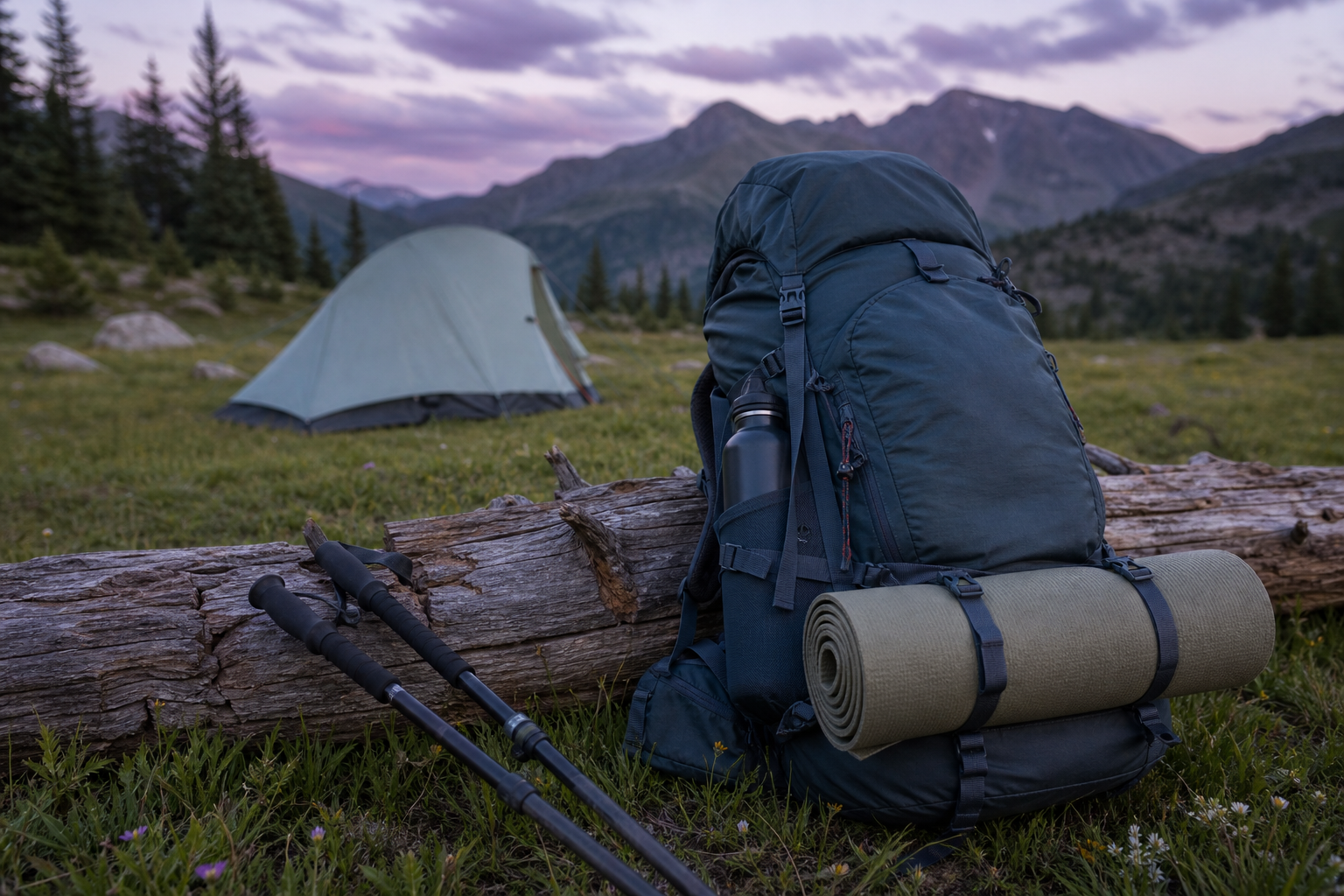
Loaded overnight backpack with trekking poles at a mountain meadow campsite

This is the section most new campers should pay attention to if they want to carry more than a few trail basics. An overnight or weekend pack is where comfort starts to matter a lot more, because now you are adding bulkier gear like a sleeping bag, extra clothing, food, and maybe shared camp items.

The important thing is not just the number of liters. It is whether the pack fits your body and carries weight in a way that does not punish your shoulders. A real hip belt, usable straps, and enough room for your gear are worth more than a long list of clever features.

If you are still building your camping kit, it can help to choose your bigger gear first and then pick a pack that fits it. Otherwise, it is easy to buy a pack that looks right online but feels too small the first time you try to load it.

Below are examples of pack styles and add-ons that can fit short overnight or weekend camping trips.

1Gregory Paragon 58 Backpacking PackThe Paragon 58 fits the camper starting to carry real overnight gear without jumping straight into a giant expedition pack. It has enough room for a short backpacking kit, food, and layers, but it still encourages reasonably disciplined packing. The adjustable fit matters because this category only works if the weight rides comfortably.
Pros
  • Weekend-friendly 58L volume
  • Adjustable fit helps dialing comfort
  • Balanced features without extreme weight
Cons
  • Not ultralight
  • Not the plushest heavy-load hauler
  • Requires proper fitting
2Osprey Exos 58 Men's Backpacking BackpackThe Exos 58 makes more sense once your kit is getting cleaner and less bulky. It gives you a real frame and ventilated carry without the empty weight of a heavy hauler, which is great for hikers moving toward lighter weekends. It is less forgiving if your sleeping bag, pad, and extras still take up half the closet.
Pros
  • Light for a framed pack
  • Ventilated carry
  • Good for compact backpacking setups
Cons
  • Less forgiving with bulky beginner gear
  • Smaller pockets than heavier packs
  • Fit and load discipline matter
3Granite Gear Blaze 60 Backpacking PackThe Blaze 60 is a strong middle ground for campers who need useful capacity but still care about weight. It can handle longer weekends and a growing backpacking kit without feeling like a full expedition pack. The fit takes a little attention, but that is a fair trade when you want support without unnecessary bulk.
Pros
  • Strong load transfer for the weight
  • Adjustable torso and hipbelt
  • Works beyond one-night trips
Cons
  • Fit takes time to dial in
  • Less plush than heavier packs
  • May be more pack than casual campers need

Larger Camping Packs

Bigger packs for longer trips, bulkier gear, or carrying extra shared items.

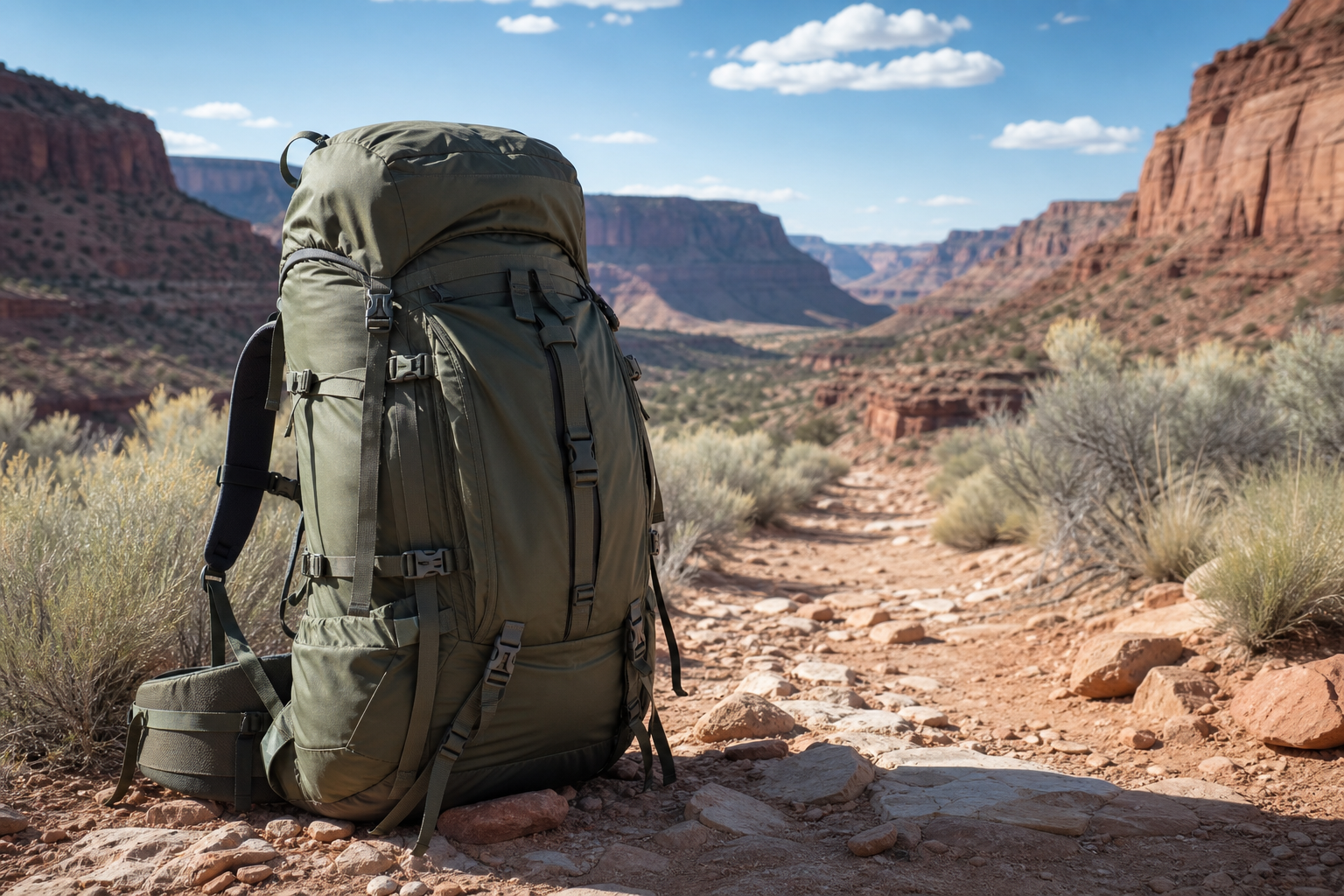
Large camping backpack standing on a red-rock desert canyon trail

A larger pack can be helpful, but it is not automatically better. Bigger packs are useful when you are carrying bulkier gear, colder-weather layers, extra food, or items for someone else. They can also make sense if your current gear does not pack down very small yet, which is common when you are just getting started.

The downside is that empty space tends to get filled. If you buy more pack than you need, it becomes tempting to bring extra things just because they fit. That can make a simple trip feel heavier and more tiring than it needs to be.

Think of this category as the “only if your trip calls for it” section. If you are mostly camping near the car or doing short overnights, you may not need this much space yet. If you are planning longer hikes or carrying shared gear, then it is worth looking at.

Below are examples of larger pack styles and support pieces that may make sense for longer or bulkier trips.

1Gregory Baltoro 75 Backpacking PackThe Baltoro 75 is the “I actually have to carry a lot” option, not the pack every new camper should automatically buy. It makes sense for bulkier sleep systems, colder-weather layers, longer food carries, or shared group gear. The extra space is helpful, but it can also tempt people to pack too much just because it fits.
Pros
  • Comfortable with heavier loads
  • Large capacity for bulky kits
  • Good organization for longer trips
Cons
  • Heavy empty weight
  • Overkill for short weekends
  • Premium price
2Osprey Aether 65 Men's Backpacking BackpackThe Aether 65 is a durable, supportive pack for backpackers carrying heavier or less compact gear. It is useful when your kit is still evolving or the trip needs extra layers, food, or shared items. It is not the lightest choice, but the comfort and structure can matter more than shaving a few ounces.
Pros
  • Supportive under heavier loads
  • Adjustable fit
  • Durable mainstream backpacking choice
Cons
  • Heavier than lightweight packs
  • Premium cost
  • More pack than simple campground trips need
3Osprey Atmos AG LT 65 Men's Backpacking BackpackThe Atmos AG LT 65 is for backpackers who want real capacity without moving all the way into heavy-hauler territory. It works for longer weekends and bulkier kits better than a casual pack, and the ventilated carry is the main draw. Shoppers still need to choose the right size and avoid filling every spare pocket by default.
Pros
  • Ventilated suspension
  • Useful 65L capacity
  • Lighter than full heavy-hauler packs
Cons
  • Less robust than heavier haulers
  • Size and color variants need rechecking
  • Still too much for casual day use

Organization and Weather Protection

Pouches, dry bags, covers, and liners that help keep gear easier to find and protect.

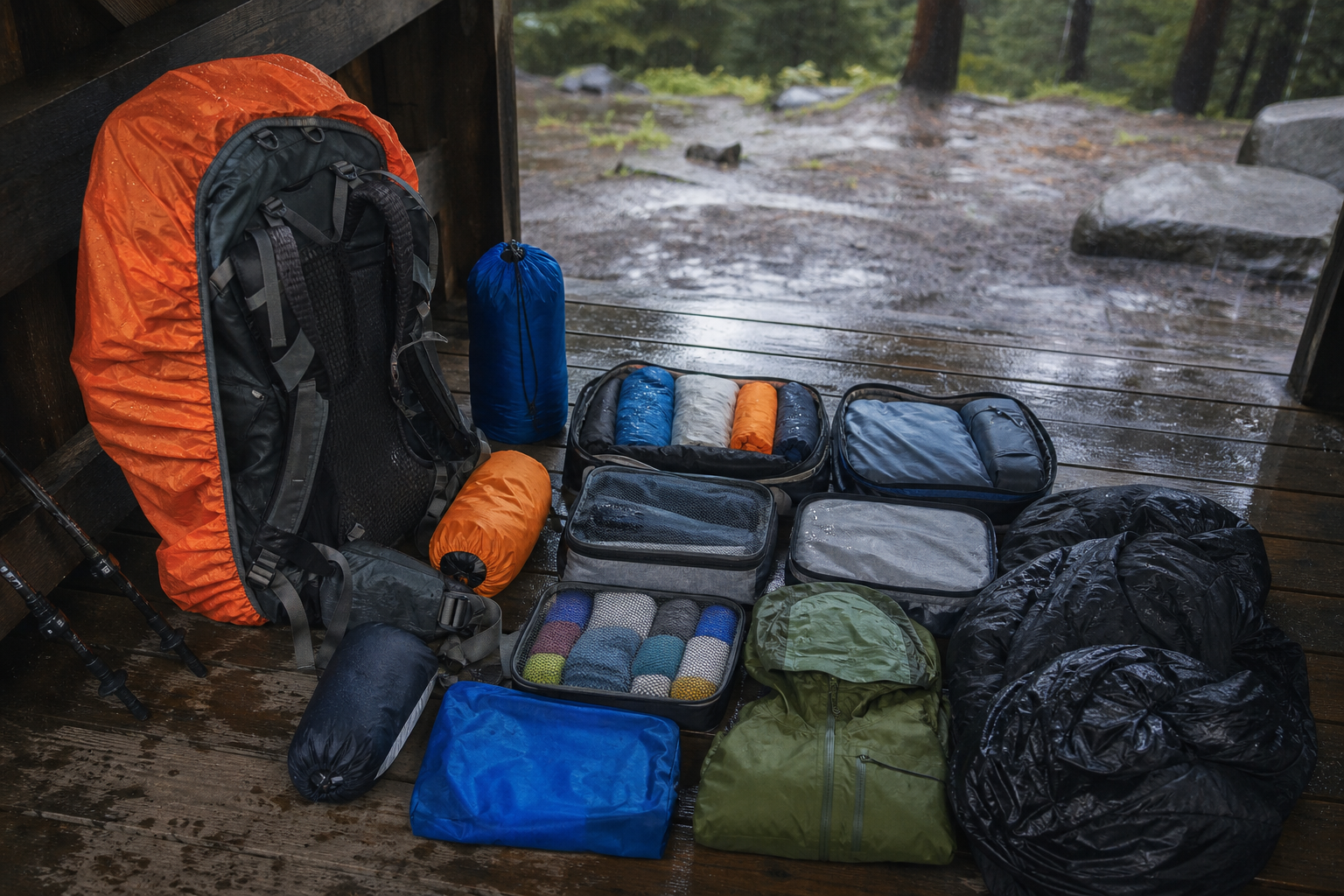
Backpack organization pouches and rain cover laid out on a wet shelter floor

Backpack organization sounds boring until you are digging through one giant compartment looking for a lighter, a clean pair of socks, or the snack you know you packed. Small organizers can make camping feel a lot less chaotic, especially when your backpack is carrying clothing, food, tools, and sleep gear all at once.

Weather protection matters for the same reason. A wet backpack is heavier, and wet gear can make the rest of the trip uncomfortable fast. A rain cover, liner, dry bag, or simple stuff sack system can help keep important items separated and easier to reach.

You do not need to organize every item perfectly. The goal is just to keep the things you need most from disappearing and to give your dry gear a better chance of staying dry.

Below are a few organization and weather-protection pieces that can make a backpack easier to live out of.

1Sea to Summit eVac Compression Dry Bag 13LThis is useful when soft gear is stealing too much room in the pack. Sleep layers, extra clothing, or other compressible items can be squeezed down while also getting a roll-top layer of weather protection. It is not a river bag, but inside a backpack it makes packing cleaner and keeps important soft goods better protected.
Pros
  • Compresses bulky soft gear
  • Water-resistant roll-top storage
  • Useful inside larger packs
Cons
  • Not for prolonged submersion
  • Costs more than basic stuff sacks
  • Can be overkill for casual car camping
2Sea to Summit Ultra-Sil Dry Bag 35LThe 35L Ultra-Sil Dry Bag works well as an internal protection layer for sleeping gear, spare clothing, or other must-stay-dry items. It is light enough to justify carrying and large enough to organize a real chunk of a pack. The fabric is thin, so treat it like organized weather protection rather than rough camp storage.
Pros
  • Large enough for important dry gear
  • Lightweight fabric
  • Useful as an internal pack liner
Cons
  • Thin fabric needs care
  • Not a hard-use river dry bag
  • Roll-top technique matters
3Sea to Summit Ultra-Sil Pack Cover, SmallA compact outer rain cover for smaller packs that do not include their own weather shell. It is best treated as the first line of defense on wet trail days, with a dry bag or liner still protecting the gear that absolutely has to stay dry.
Pros
  • Packs small
  • Easy add-on rain protection
  • Useful for exposed trail days
Cons
  • Does not protect the harness side
  • Can shift in wind
  • A liner may still be needed for critical dry gear
4Maxpedition Fatty Pocket OrganizerThis pouch is for the little things that otherwise vanish into the bottom of a pack or camp bin. Repair tape, small tools, first-aid add-ons, batteries, cord, and stove odds and ends all make more sense when they have one home. It is heavier than ultralight pouches, but the structure helps if you actually use a repair kit.
Pros
  • Keeps small gear findable
  • Durable construction
  • Useful for tool or repair modules
Cons
  • Heavier than ultralight pouches
  • Tactical styling is not for everyone
  • Can encourage overpacking small items