
Beginner camping guide
Camping for Beginners: A Calm, Practical Way to Plan Your First Trip
Your first camping trip does not need to feel like a wilderness exam. Start with a manageable place, bring the gear that handles the basic jobs, and give yourself room to learn.
Quick take
- Choose a simple campground before chasing a big adventure.
- Think in camp jobs: shelter, sleep, food, water, light, and safety.
- Practice the awkward parts at home so camp feels easier.
Most first-time campers do not struggle because camping is impossible. They struggle because every decision arrives at once: where to go, what to bring, what to cook, what to do if the weather changes, and which gear is actually worth buying.
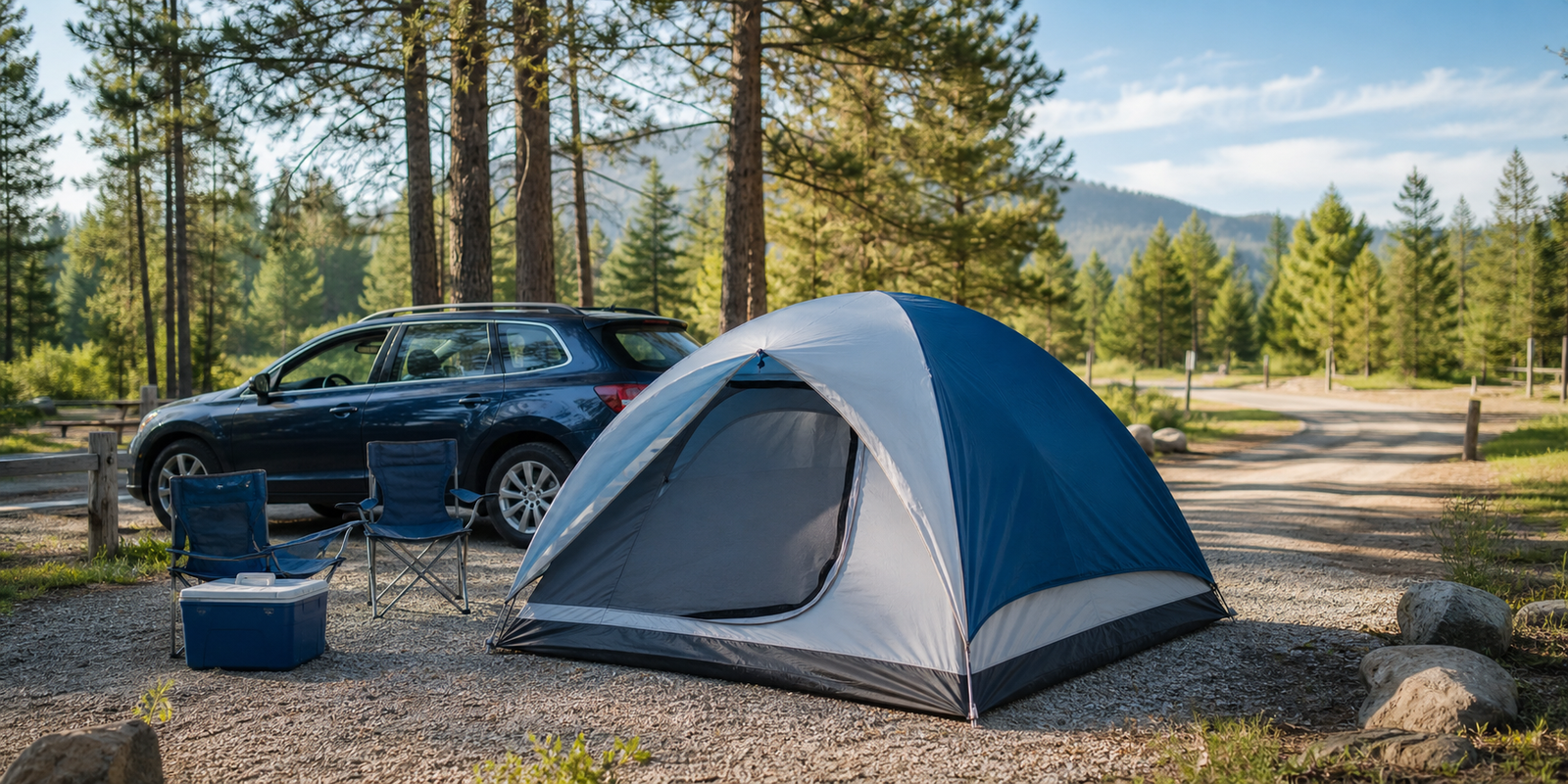
The easiest first trip is usually a short frontcountry campout. That means a reserved campsite you can drive to, with bathrooms or water nearby, and a plan that lets you leave if the weather or gear makes the trip less fun than expected. It still counts as camping. It is also the version that helps you learn fastest.
Start simple
Start With a Trip You Can Actually Enjoy
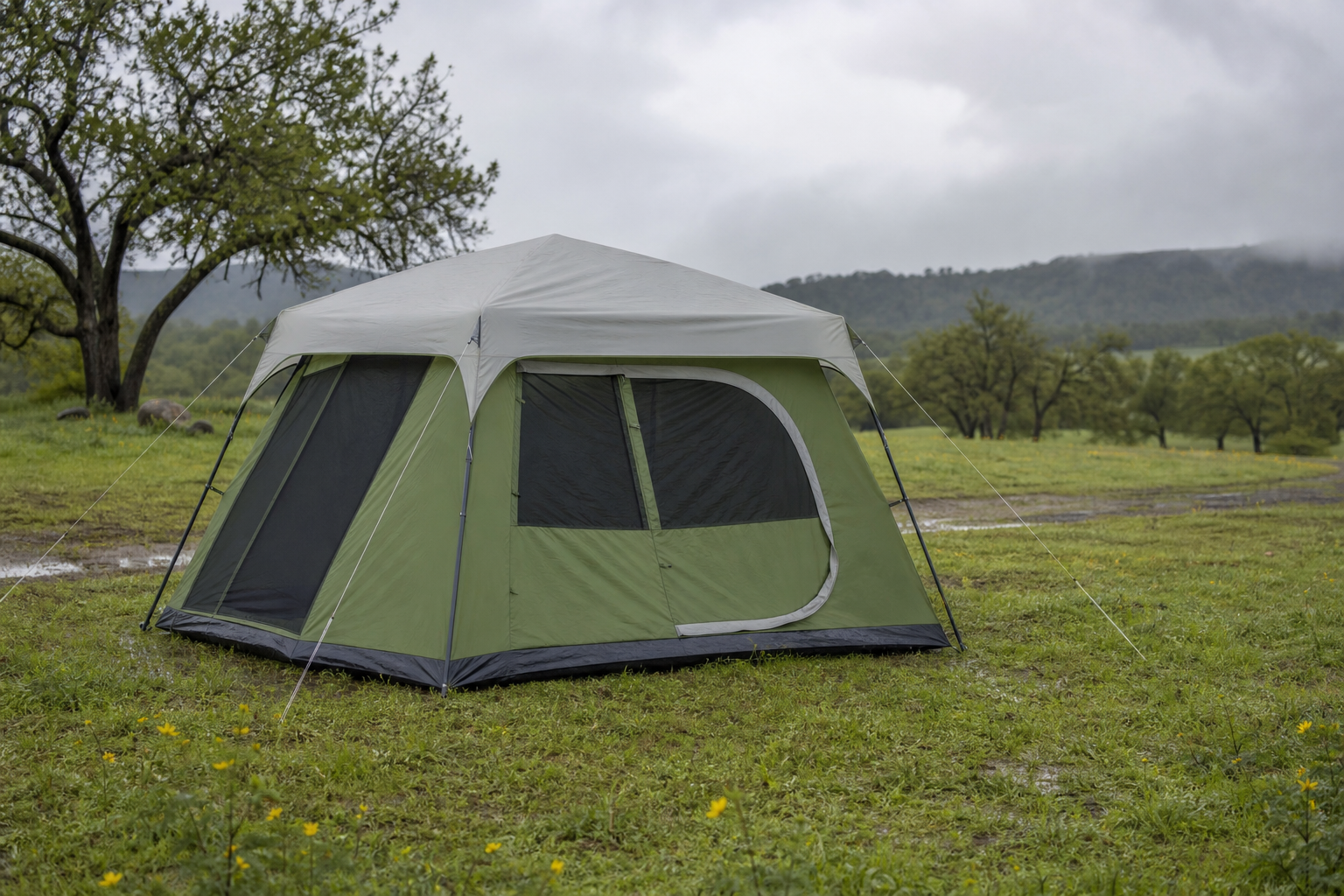
A good first trip gives you margin. Choose one or two nights instead of a full week. Stay within a comfortable drive of home. Look for an established campground with clear rules, recent reviews, and basic amenities like water, restrooms, and a picnic table if possible.
Best first target
Trip length
Weather window
Arrival plan
Core setup
Think in Camp Jobs, Not Endless Gear Lists
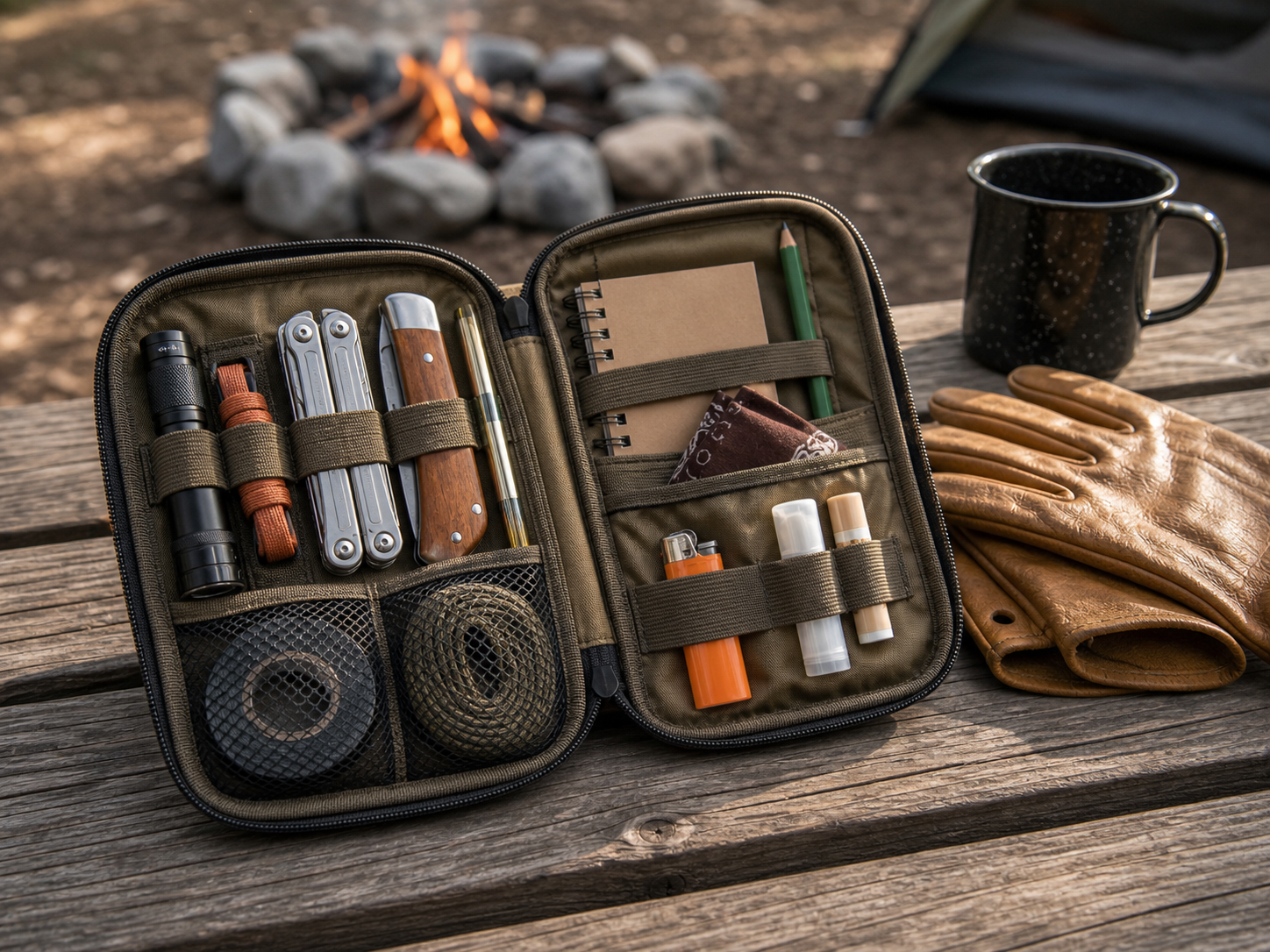
Camping gear makes more sense when every item has a job. You need shelter, sleep, food, water, light, safety, and a little comfort. Everything else can wait until your trips show you what you actually miss.
The core camp jobs
Shelter
Sleep
Food
Water
Light
Safety
Renting, borrowing, or buying a few budget-friendly starter items is reasonable too. The first trip is not a lifetime gear commitment. It is a test run for the kind of camping you actually like.
Before you leave
Practice the Parts That Feel Awkward at Home
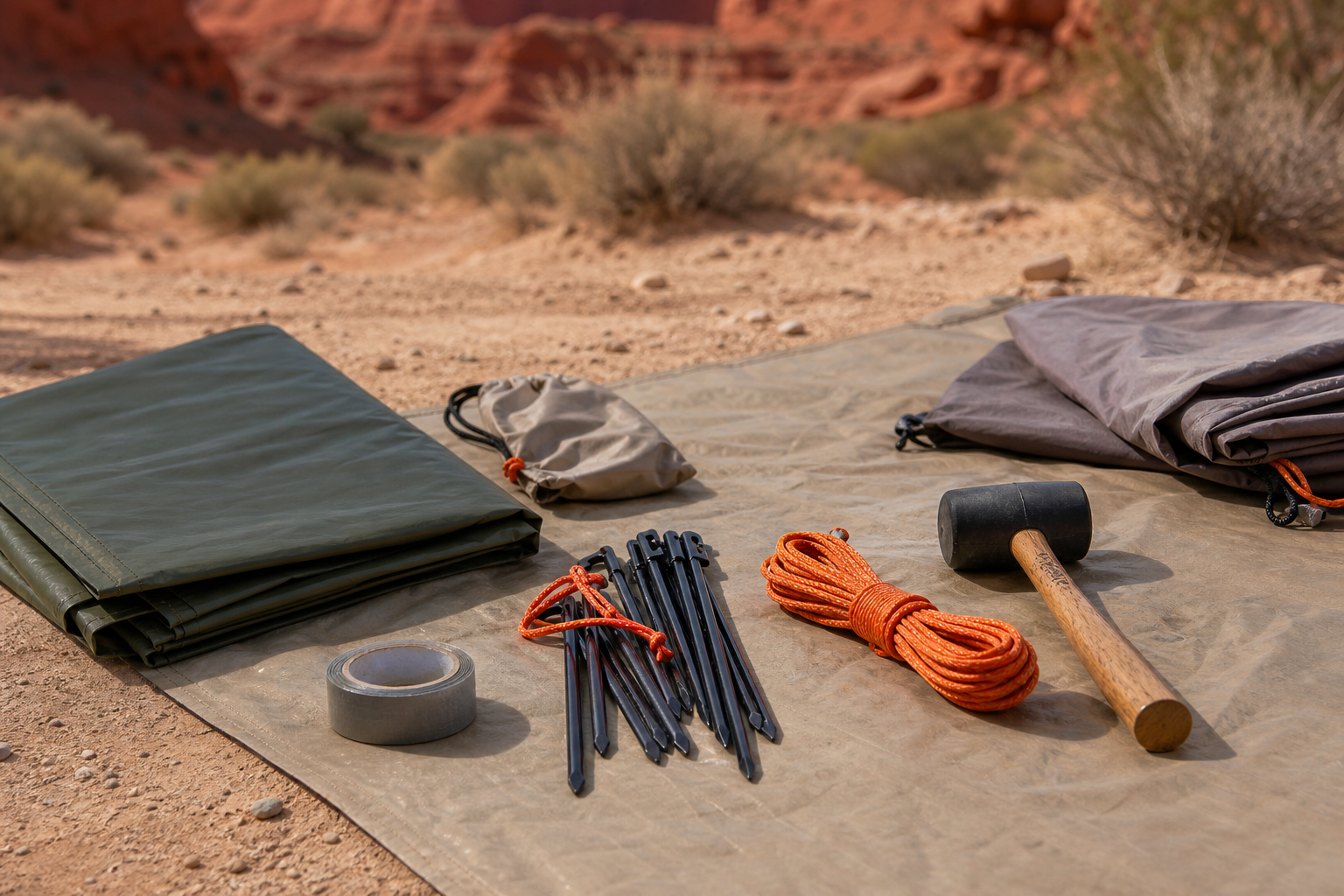
The best time to learn your tent is not at dusk while everyone is hungry. Set it up once at home or in a nearby park if you can. Find the rainfly, poles, stakes, doors, and storage pockets. Make sure the tent fits back in the bag well enough that packing up will not become the hardest part of the weekend.
Practice before leaving
Pitch the tent
Test the bed
Light the stove
Check lighting
Food plan
Keep Meals Boring in the Best Possible Way
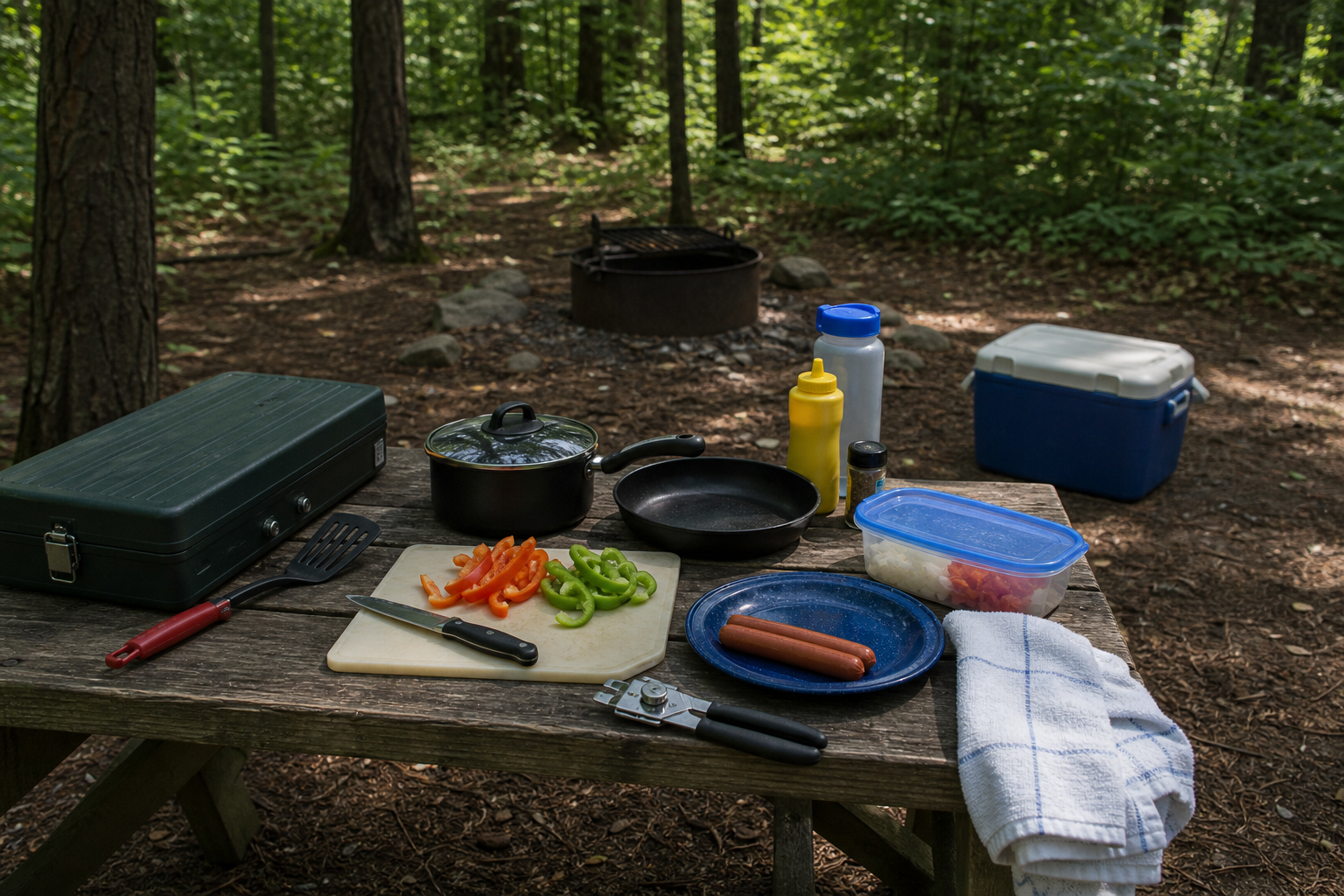
Camp food is more enjoyable when it is realistic. For a first trip, choose meals with very few moving parts: sandwiches, burritos, pre-chopped vegetables, pasta, oatmeal, hot dogs, or foil-packet meals you can prep at home. Bring snacks that work without cooking in case rain, wind, or a late arrival changes the plan.
Food storage matters
Keep food, trash, cookware, and scented items secured away from your sleeping area. In some campgrounds that means a vehicle or provided food locker. In bear country or special management areas, follow the posted local rules.
Evening plan
Campfires Are Nice, but They Are Not the Plan
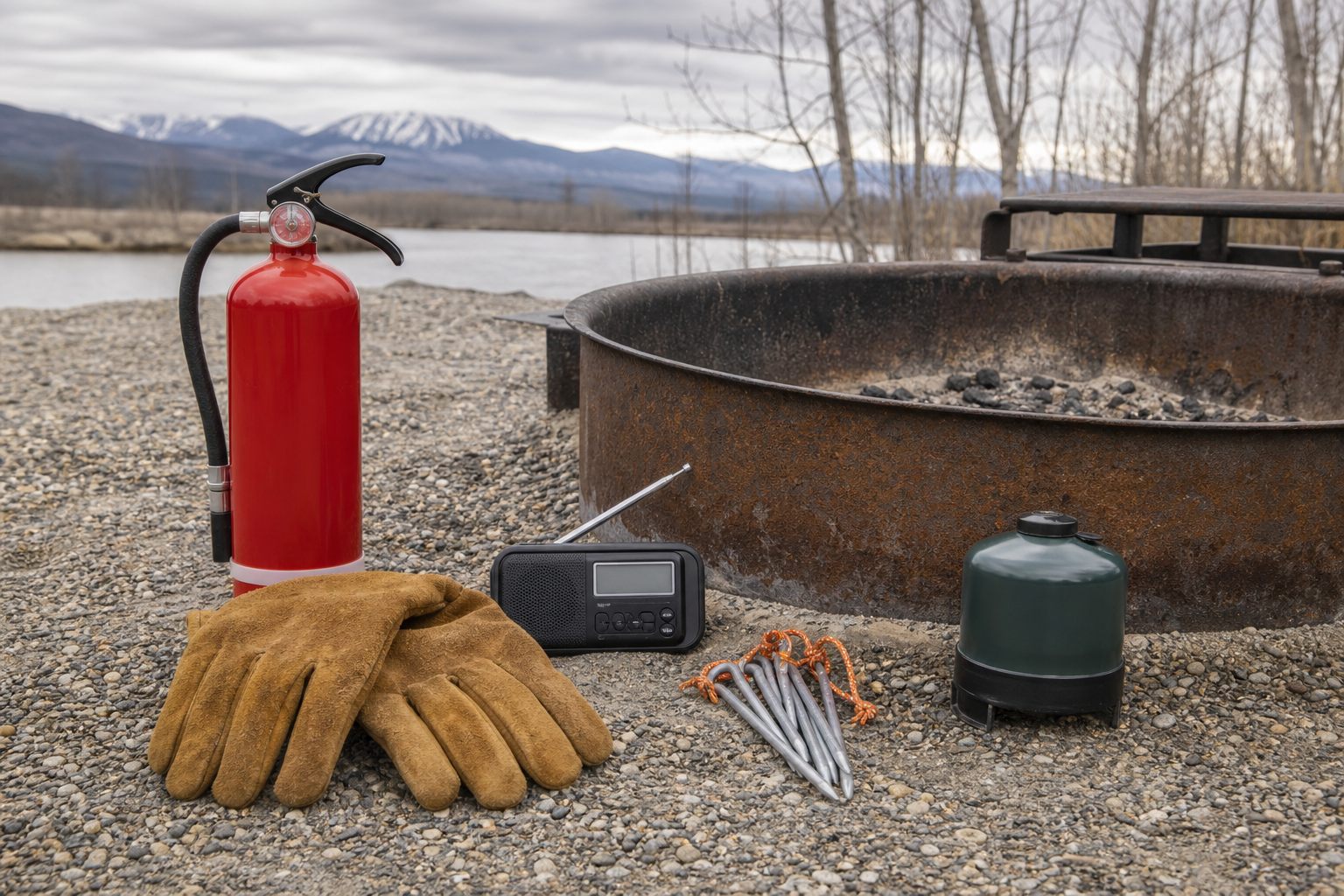
A campfire can make an evening feel complete, but it should be treated as a bonus. Fire rules change with season, drought, wind, campground policy, and local conditions. Check the rules before you leave and again when you arrive.
When fires are allowed, use established fire rings, keep water nearby, burn only permitted local firewood, and make sure the fire is fully out before you leave it. If fires are not allowed, you can still have a good night with a lantern, warm layer, stove-cooked dinner, and something easy to do at the table.
After sunset
Pack for the Evening, Not Just the Afternoon
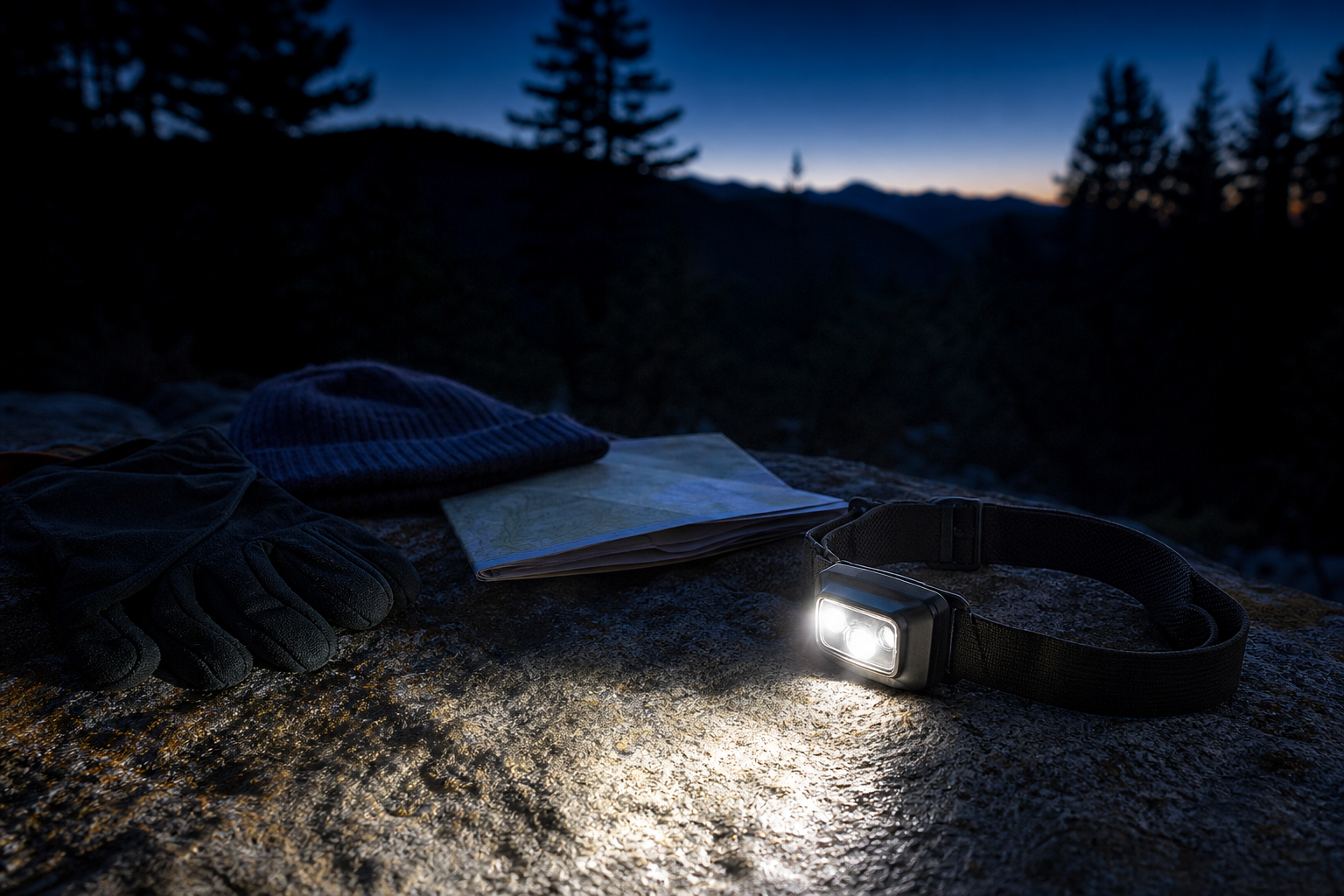
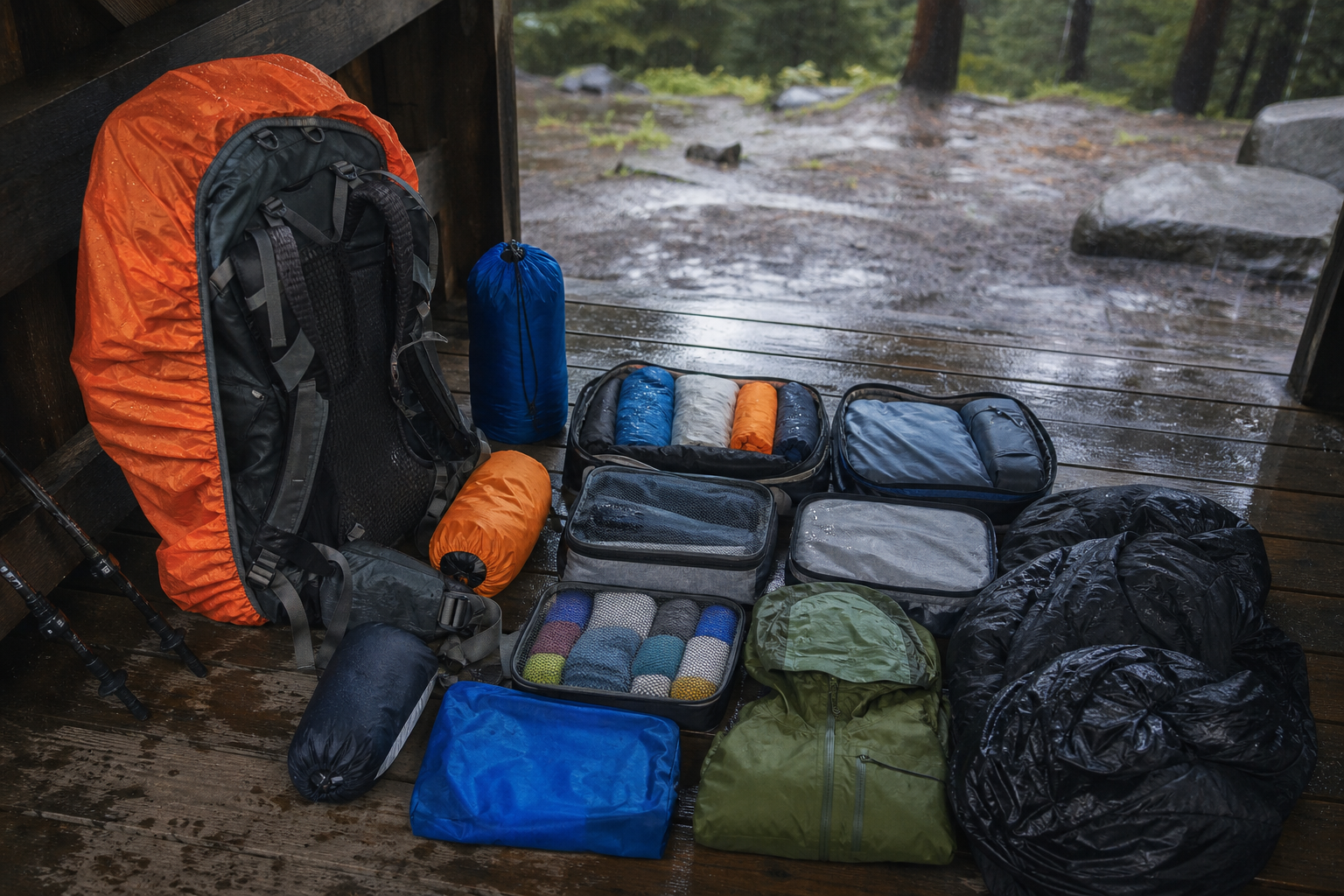
New campers often pack for the weather they feel while loading the car. Camp asks for a wider view. Temperatures can drop after sunset, damp clothes feel colder than expected, and ordinary tasks take longer in the dark.
Dry sleep layer
Rain or wind shell
Camp lighting
Small carry bag
Good campsite habits
Leave the Campsite Easy for the Next Person
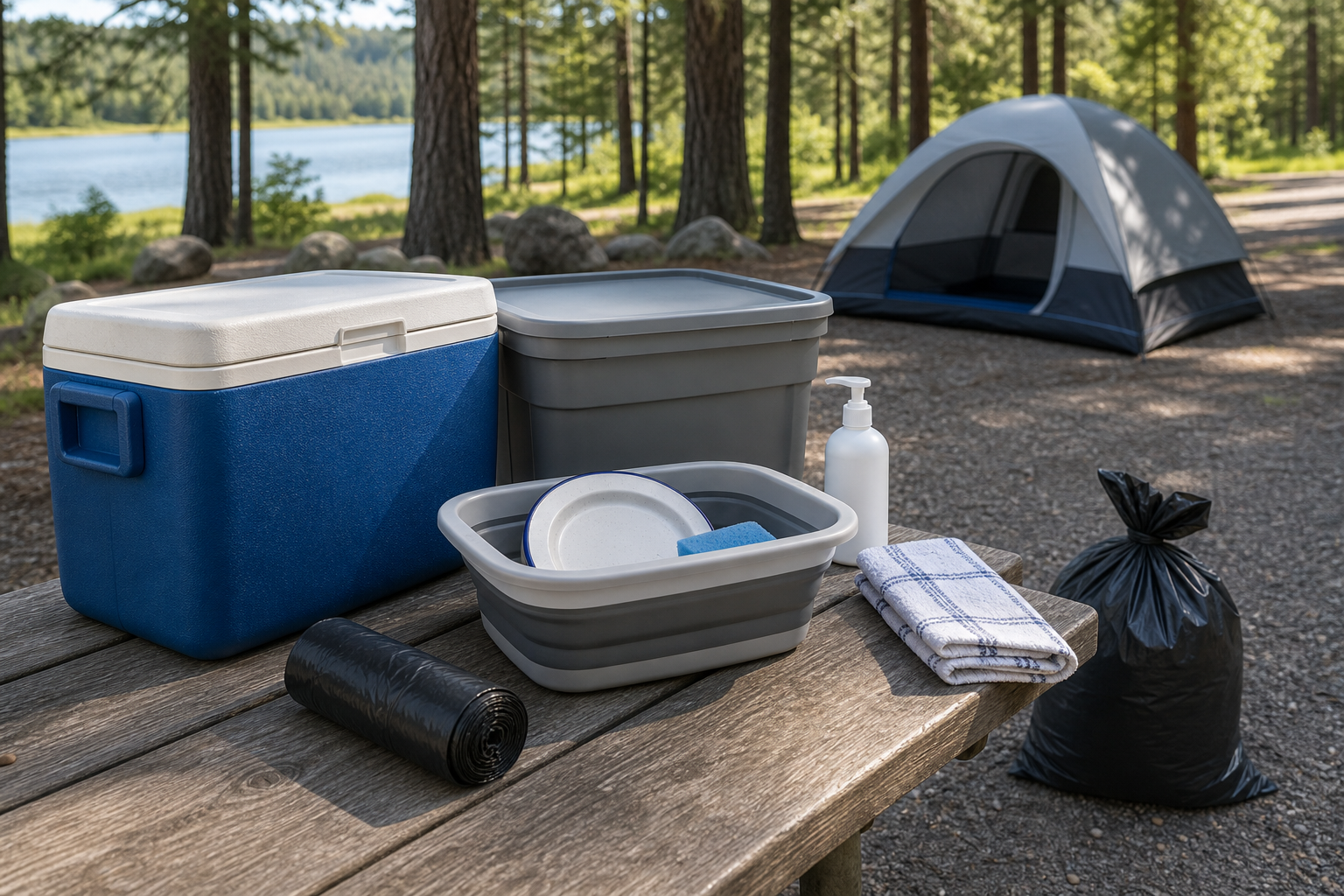
Responsible camping is mostly ordinary courtesy. Use durable surfaces that are meant for tents and foot traffic. Keep trash contained. Wash dishes away from natural water sources. Respect quiet hours. Give wildlife distance and never feed animals, even by accident through messy food storage.
Before you leave, walk the site slowly. Look for tent stakes, wrappers, bottle caps, food scraps, and bits of cord. If you brought it in, it should leave with you unless the campground has a proper place for it.
Ready check
First-Trip Checklist
The simple version
Book a manageable site
Pack the core systems
Practice the awkward gear
Keep meals simple
Review after the trip
For a packing-focused companion to this guide, use the weekend camping checklist. When you are ready to compare gear by category, start with the main gear guide.